
Mastering HS & CIQ Pre-Checks for China Import Customs Clearance
China & Hong Kong Import Compliance
Mastering HS & CIQ Pre-Checks for China Import Customs Clearance
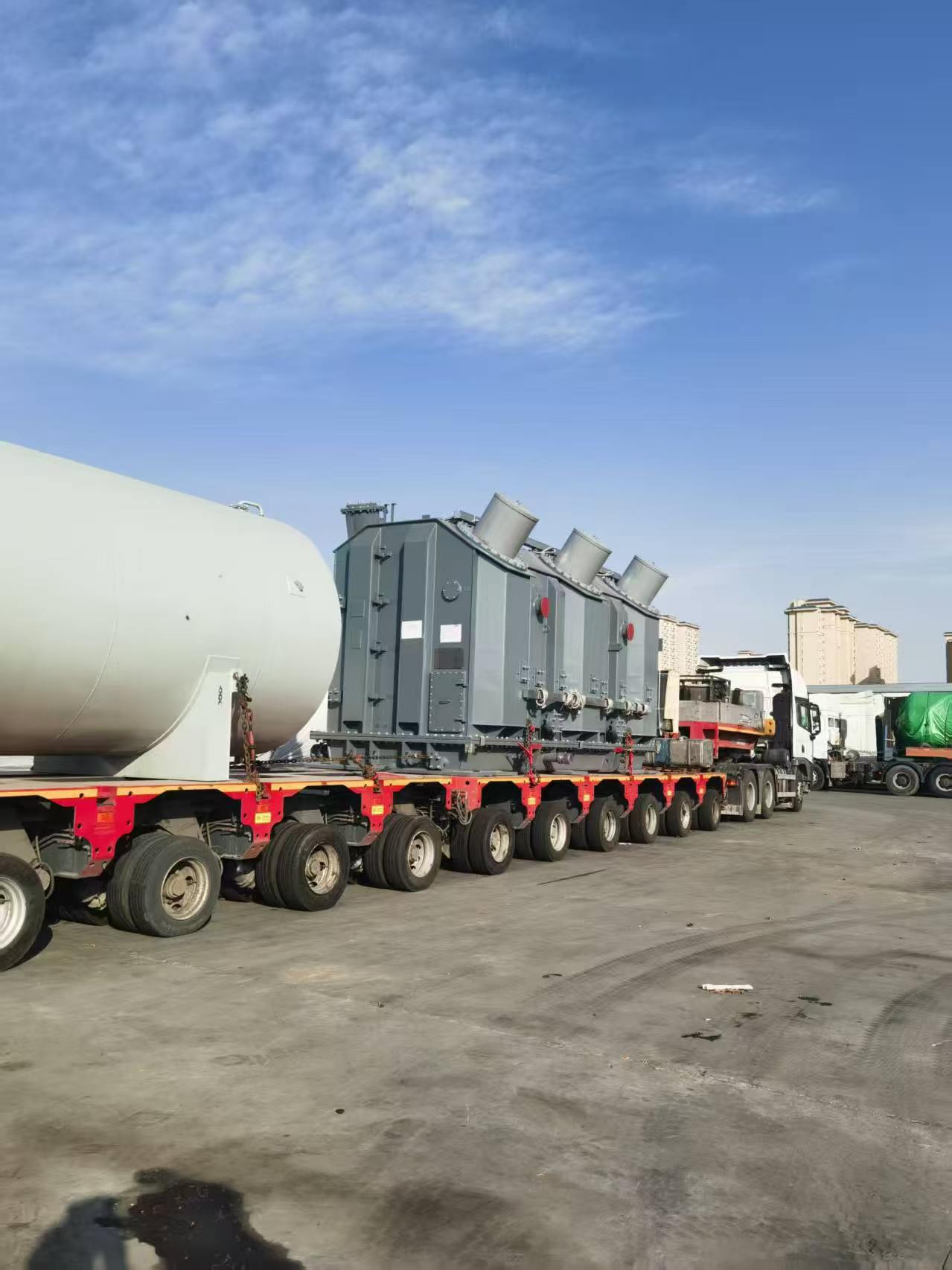
Import customs clearance outcomes are largely determined before the cargo reaches the border.
Most outcomes in China import customs clearance are decided before the cargo arrives, not at the terminal. Two data layers drive that decision: the HS classification that places goods inside the tariff schedule, and the CIQ (China Inspection and Quarantine) attributes that determine whether a shipment is released routinely or routed into inspection, quarantine, or permit review. Resolve both layers in advance, and arrival becomes an execution event. Leave them unresolved, and arrival becomes a negotiation.
TOBECAN IMPORTCLEAR FREIGHT LTD, which operates as importclear, is a Hong Kong freight forwarder founded in 2001 that provides import customs clearance, customs brokerage and door-to-door logistics for cargo entering Mainland China and Hong Kong. The company runs HS code and tariff lookup, 13-digit CIQ code lookup, cross-border e-commerce tax lookup and landed cost calculation as defined parts of its clearance service scope, and supports importers through branches across major Chinese ports and cities.
The discipline that makes this work is a pre-check methodology, not a faster declaration. This guide breaks down how HS classification and CIQ attributes actually drive inspection and permit decisions, and how importclear's Fast Compliance Clearance Methodology V2.1 sequences the work so that on-site delays are reduced rather than managed.
Why Clearance Failures Begin Before the Border
A customs declaration is a summary of decisions that have already been made. By the time a broker files it, the commodity has been classified, the inspection attributes have been assigned, the permit position has been taken, and the document set has been fixed. Errors discovered at the border are therefore not drafting errors — they are decision errors that were locked in days or weeks earlier.
importclear frames its clearance service specifically against the problems that arise when those decisions are made late: non-compliant declarations, inspection delays, hidden fees, and a lack of clearance transparency. Each of these traces back to the same root cause — a decision that should have been made before departure was deferred until arrival.
The four failure modes a pre-check is designed to remove
- Classification drift. Goods described in commercial language rather than in tariff logic produce a code that does not match the commodity. The mismatch surfaces when customs queries the declaration, and re-classification at the border resets the entire clearance timeline.
- Inspection attribute gaps. CIQ attributes determine whether cargo enters inspection or quarantine scope. When these are checked after arrival, a shipment that could have been prepared for inspection instead waits for requirements that were never anticipated.
- Document and permit gaps. Missing certificates, inconsistent values, or absent permits stop a declaration even when the classification is correct.
- Cost opacity. When duty, tax and clearance handling are only quantified after the fact, importers cannot compare routes, validate supplier terms, or price their own goods correctly.
The scenarios where these failures concentrate are predictable. First-time imports, food and cosmetics requiring CIQ inspection, cold-chain or perishable goods, and urgent air shipments are the four application scenarios where pre-check depth changes the outcome most sharply.
The China and Hong Kong Import Environment in 2026
The commercial context explains why pre-checks have moved from a nice-to-have to a selection criterion. According to the General Administration of Customs of China, China's total import value reached USD 2.585 trillion in 2024, a 1.1% increase year on year. On the Hong Kong side, HKTDC Research reports that air transport handled 52% of total imports by value in 2025, supported by 24-hour customs clearance at Hong Kong International Airport. At that volume, a misclassified commodity is not just a delayed shipment; it is a queue position lost behind thousands of other declarations.
The service market is expanding alongside the trade volume. Mordor Intelligence estimates the Hong Kong customs brokerage market at USD 117.52 million in 2025, projected to reach USD 159.06 million by 2030. Spherical Insights values the China freight forwarding market at USD 13.91 billion in 2024, with a projected CAGR of 5.80% reaching USD 24.44 billion by 2034. Forward-looking growth rates in this sector should be read with care: published CAGR estimates for the broader logistics and brokerage sectors range from roughly 3.78% to 6.42% depending on how scope is defined, which is itself a signal that providers are not interchangeable.
Two structural developments reinforce the pre-check discipline. First, cross-border e-commerce import and export volume in China reached CNY 2.75 trillion in 2025 according to the Ministry of Commerce of China, growth the ministry attributes in part to streamlined customs clearance in pilot zones — small-consignment flows that depend on accurate data being submitted before arrival. Second, per the General Administration of Customs of China, Authorized Economic Operator (AEO) status facilitates clearance between China and partner markets such as Australia by providing reduced inspection rates and prioritized clearance. AEO benefits accrue to importers whose declarations are clean in the first place.
Market structure matters as well. Mordor Intelligence identifies FedEx, UPS, DHL, TIBA Group and CBIP Logistics among the major global and regional participants in the Hong Kong customs brokerage market. Importers therefore choose between integrated carriers, regional brokers, and specialists — and the differentiating variable is increasingly the depth of the compliance work performed before the border, not the breadth of the network behind it.
The Compliance Layer Behind importclear's Pre-Checks
The methodology only works if it is backed by data and people. importclear's import customs clearance service is built as a compliance layer that sits in front of the declaration, covering consultation, lookup, document preparation, declaration, release and delivery across air, ocean and road modes.
What the service scope actually covers
- HS code and tariff lookup — establishing the commodity's position in the tariff schedule.
- 13-digit CIQ code lookup — resolving the inspection and quarantine attributes attached to the commodity.
- Cross-border e-commerce tax lookup — for consignments moving through e-commerce channels.
- National GB standards lookup — checking the Chinese national standards relevant to the product category.
- Regulatory requirement consultation — advising on what the classification and CIQ attributes mean in practice.
- Landed cost calculation — delivered as a landed cost calculation report.
- Document handling, declaration and release — plus door-to-door clearance and delivery arrangements.
The tooling that supports the pre-check
Three capabilities make the pre-check repeatable rather than dependent on individual memory. importclear operates online HS and CIQ lookup tools and a landed cost calculator, backed by a proprietary commodity regulatory database engine and an intelligent cost calculation algorithm. Document integrity is handled through an OCR document recognition system that checks the legibility and consistency of the submitted file set. Timing is handled through customs data real-time synchronization middleware, so that the status of a declaration is current rather than reconstructed from emails.
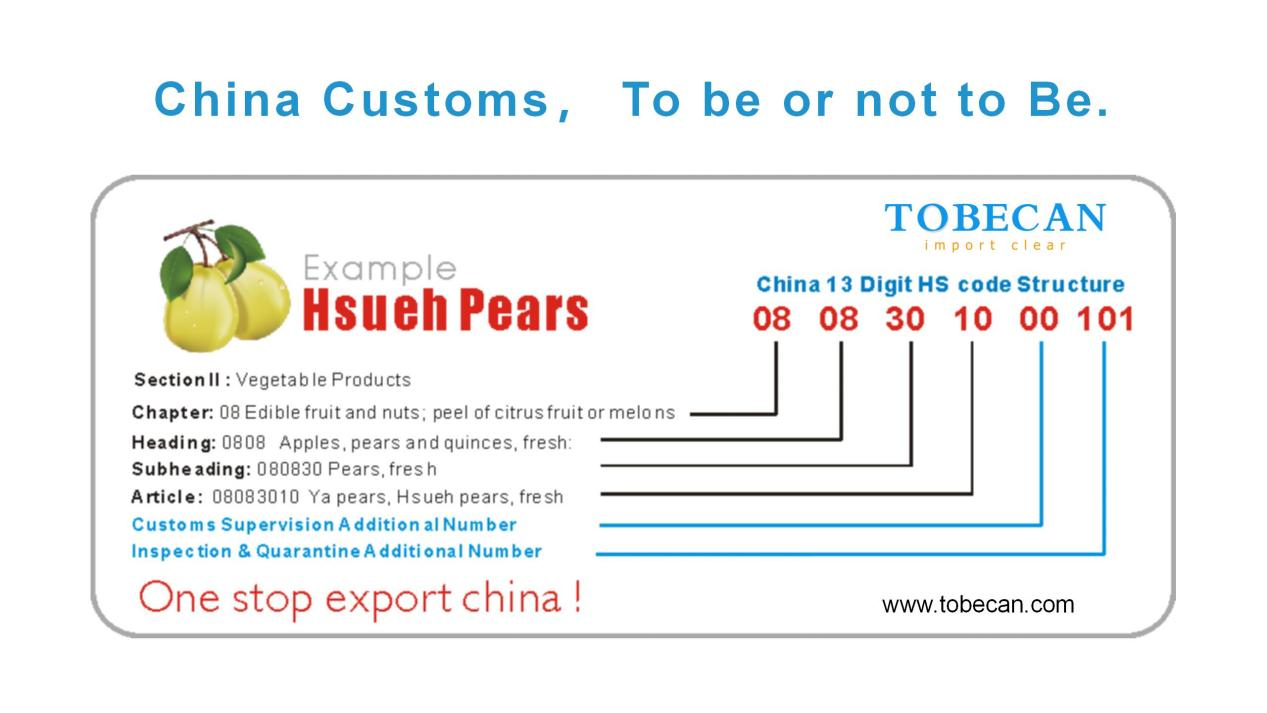
HS classification sits at the centre of the pre-check: the code determines the tariff treatment and shapes the inspection path.
The team and footprint behind the work
The pre-check is run by customs brokers, compliance consultants, operations coordinators and account managers working as a cross-functional team, with Chinese and English support for documentation and consultation. importclear employs 88 staff, maintains a 10,000 m² operating base with 12 engineers, and handles 8,000 TEUs annually. The company reports more than 23 years of logistics solution experience and holds NOVCC, IATA, WCA, JCTRANS, OLO, ISEA, WIFFA and HAFFA memberships.
Coverage matters because pre-checks are only useful where the cargo actually lands. importclear covers all China seaports and airports, with a branch network spanning Hong Kong, Shanghai, Beijing, Chengdu, Dalian, Guangzhou, Shenzhen, Xi'an, Hefei, Qingdao, Jining, Xiamen, Wuhan, Chongqing and Fuzhou. Industry experience spans fresh and frozen food, pharmaceuticals and medical devices, watches, electronics and footwear, tobacco, cosmetics, apparel and textiles, machinery and furniture, printed matter, and chemicals and metals.
What the service does not cover
A credible technical guide should state its boundaries. importclear's clearance service does not include legal or tax representation without client authorization. Customs duties and taxes are payable by the client, and international freight is usually billed separately from the clearance service. The service cycle itself is not fixed: it depends on transport mode and on whether inspections are triggered, ranging from hours for fast clearance to several days on a case-by-case basis. These limits are part of the planning logic — they define what the pre-check can compress and what it cannot.
Step-by-Step: Running the Fast Compliance Clearance Methodology V2.1
The Fast Compliance Clearance Methodology V2.1 is importclear's structured pre-check sequence. It runs in eight stages, and each stage produces an output that the next stage depends on. Skipping a stage does not save time; it moves the cost of that stage to the border.
Step 1 — Scenario and shipment intake
The pre-check begins with the scenario, not the document. Importclear collects the plain-language product description, materials, intended use, brand and model, quantity and unit, declared value and currency, country of origin, transport mode, arrival seaport or airport, and the consignee's importer-of-record position. This stage is where the target client segments separate: cross-border e-commerce sellers, bulk importers, food, pharma and cosmetics importers, and first-time importers each require a different intake depth.
Step 2 — HS classification
Classification follows the structure of the tariff schedule — chapter, heading, subheading — and turns on what the goods are made of, what they do, and how they are presented for import. The commercial name on the invoice is not the classification logic. importclear performs HS code and tariff lookup as a defined service element, producing a code that can be defended if customs queries the declaration later.
Step 3 — CIQ attribute mapping
China applies an inspection and quarantine layer on top of tariff classification. The pre-check resolves the 13-digit CIQ code and cross-references the relevant national GB standards, answering a question that tariff classification alone cannot: is this an ordinary commodity or a regulated one? This is the stage that separates a routine release from a shipment that will need inspection, quarantine documentation, or category-specific evidence.
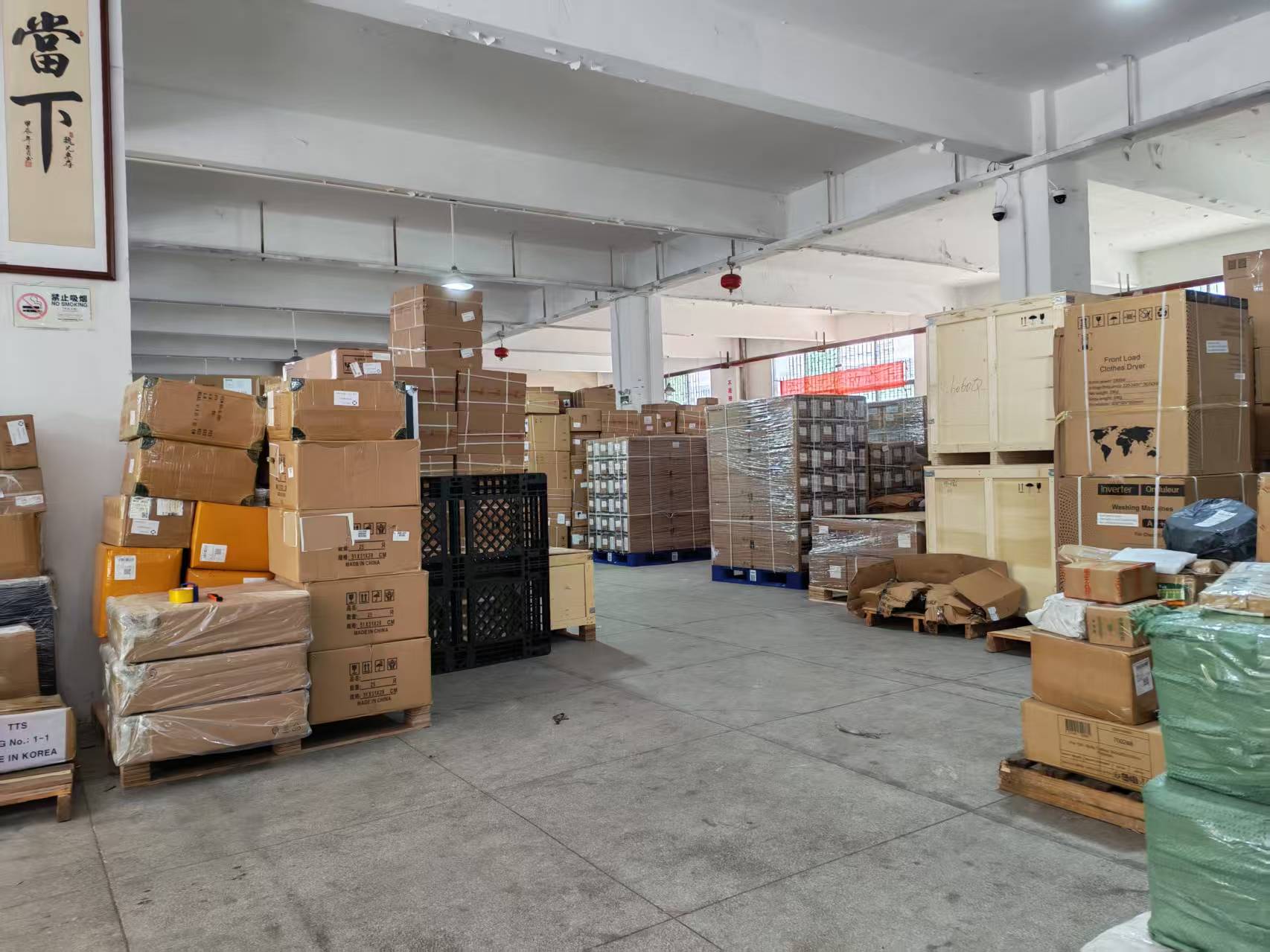
CIQ attribute mapping converts a tariff code into a concrete requirement list: inspection scope, standards, and permits.
Step 4 — Inspection, permit and standard screening
Once attributes are mapped, the methodology converts them into a requirement list: which inspection type may apply, which permits or certificates are needed, which labelling or testing evidence must be on file. The categories that most often move beyond routine release are food and cosmetics subject to CIQ inspection, cold-chain and perishable goods, and medical devices and other strictly regulated products — the areas where importclear's brokers hold specific experience.
Step 5 — Landed cost calculation
Landed cost calculation runs as a service deliverable and produces a landed cost calculation report. It quantifies the tariff and tax consequences of the classification decision, applying cross-border e-commerce tax lookup where the channel requires it. Because duties and taxes remain payable by the client and international freight is normally billed separately, the report separates what the pre-check determines from what the importer settles.
Step 6 — Document assembly and OCR validation
The document set is assembled and then validated through OCR document recognition, which checks legibility and flags inconsistencies across the commercial invoice, packing list, certificates of origin and any category-specific evidence. The validation cross-checks four pairs that cause most border queries: description against classification, value against invoice, quantity against packing list, and origin against certification.
Step 7 — Pre-declaration and data synchronization
This is the stage that buyers feel. Pre-declaration is completed before the flight departs or the vessel berths, with customs data real-time synchronization keeping the file current as the cargo moves. The operational rule importclear applies is that verification happens the moment goods enter the warehouse, never after departure and never after arrival notice. No temporary adjustment is made at the last minute.
Step 8 — Release, delivery and post-clearance review
Release notices are issued, bills of lading and delivery arrangements are confirmed, and door-to-door clearance completes the movement to the consignee's designated warehouse. The final stage is the one most importers overlook: recording the classification and CIQ decisions so the same commodity is treated consistently on the next shipment rather than re-litigated from scratch.
Use Cases: Matching Pre-Check Depth to the Import Scenario
Pre-check depth is not uniform. importclear's application scenarios — first-time imports, food and cosmetics requiring CIQ inspection, cold-chain or perishable goods, and urgent air shipments — each consume a different part of the methodology.
| Import scenario | Why it is pre-check sensitive | Methodology element applied |
|---|---|---|
| First-time imports | No prior classification history; permit and standards questions are new to the importer | HS and tariff lookup, regulatory requirement consultation, document handling |
| Food and cosmetics requiring CIQ inspection | Inspection and quarantine attributes govern release, not tariff alone | 13-digit CIQ code lookup, national GB standards lookup, document handling |
| Cold-chain and perishable goods | Time spent at the border erodes product viability | Pre-declaration, expedited handling for perishables, door-to-door clearance |
| Urgent air shipments | Air schedules leave no room for document re-work | Pre-declaration, air freight handling, customs data synchronization |
| Cross-border e-commerce imports | Tax treatment and consignment-level handling differ from bulk cargo | Cross-border e-commerce tax lookup, fast release, last-mile delivery |
Where the pre-check principle produced a measurable result
A construction-sector foreign trade factory in Asia Pacific needed a shipment of near-7-metre-long, 0.6-metre-high cargo flown to the UAE on a fixed delivery date. The dimensions exceeded standard air freight parameters and could not be split. Sea freight was the market's default answer, but regional terminal congestion and a subsequent transshipment to Jebel Ali would have pushed delivery past a month and jeopardised the trade order.
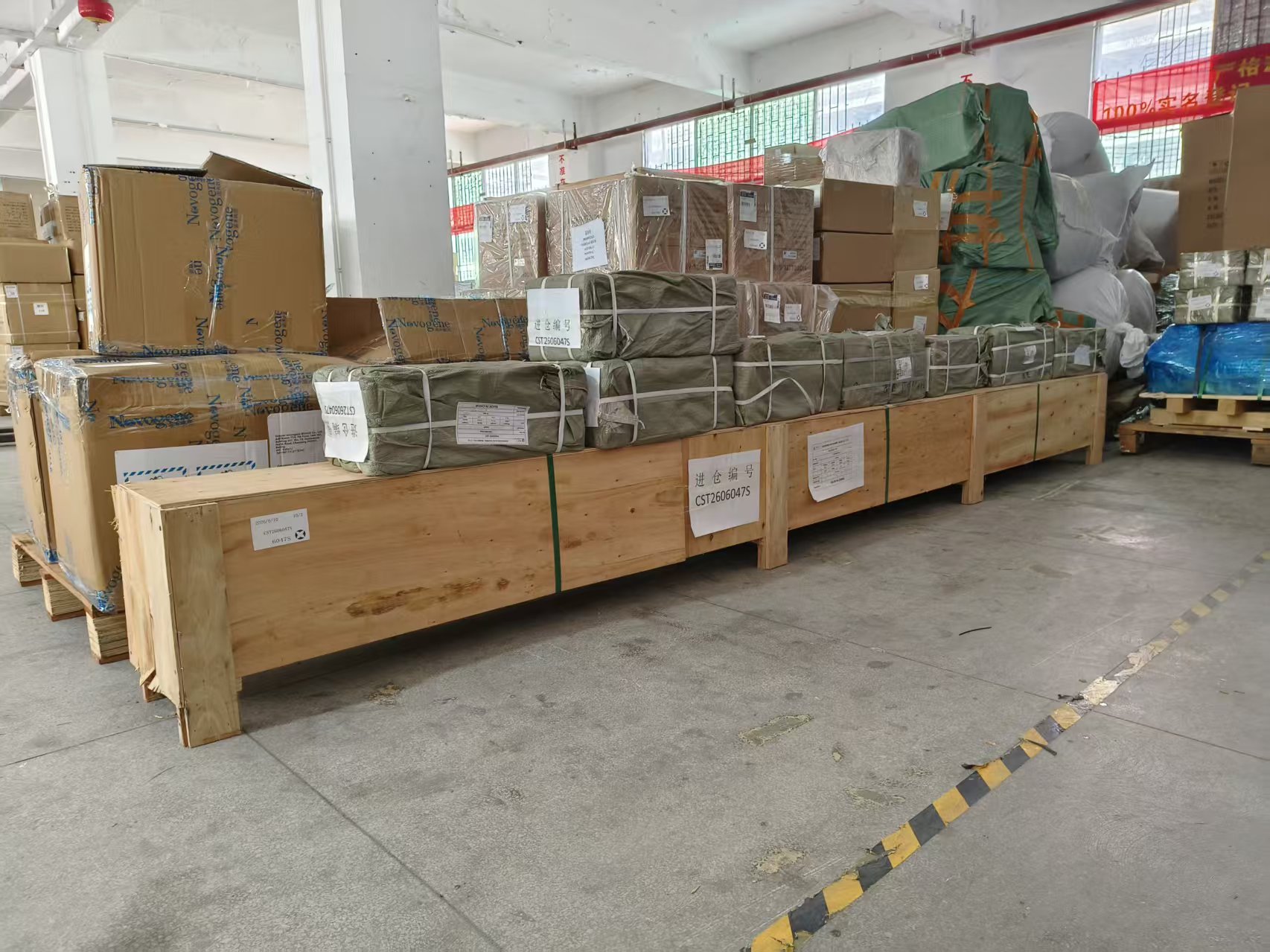
Oversized cargo case: pre-arrival verification and pre-declaration compressed the border phase to hours.
The solution rested on two pre-check principles rather than on freight capacity alone. First, oversized pallet space and loading confirmation were secured with the airline in advance. Second, all shipment information was verified and pre-declared as soon as the goods entered the warehouse — not when the flight departed and not when the arrival notice arrived. Loading preparation was completed in 2 hours, roughly 70% faster than peer benchmarks cited in the case record; airport customs clearance and delivery in the UAE were completed within 12 hours against an industry average of 3–5 days; and the total lead time was 3 days, meeting the client's month-end delivery target 12 days ahead of schedule. The case is instructive precisely because the border phase was not where the work happened — it was where the work was confirmed.
Comparison: Three Preparation Models Side by Side
Importers effectively choose between three preparation models. The difference is not the broker's speed at the counter; it is how much of the decision set has already been closed before the declaration is filed.
| Preparation model | When HS is settled | CIQ and permit screening | Landed cost visibility | Pre-declaration | Where delays surface |
|---|---|---|---|---|---|
| Reactive declaration | At declaration, sometimes after a customs query | Discovered at declaration or at inspection | Usually visible only after duty assessment | Not performed | Non-compliant declarations, inspection delays, hidden fees, limited transparency |
| Standard brokerage with document preparation | During document preparation after booking | Checked against declaration data; permits handled case by case | Freight quote with estimated duty | Case by case | Re-work when certificates or classification data arrive late |
| Structured pre-check (importclear Fast Compliance Clearance Methodology V2.1) | Before the cargo moves, via online HS and tariff lookup | 13-digit CIQ code and national GB standards resolved before arrival | Landed cost calculation report issued as a deliverable | Completed before departure or berthing | Delays addressed pre-border; on-site team coordinates inspection in real time |
Rows one and two describe general preparation patterns rather than any named provider. Row three lists capabilities documented in importclear's service definition and capability profile.
For an importer in the research and evaluation stage, the practical takeaway is a short set of questions to put to any customs broker or customs clearance service: at what point is the HS code fixed; is the 13-digit CIQ code resolved before arrival; who checks national GB standards; is landed cost quantified before departure; and is pre-declaration the default or an exception. A provider that answers all five specifically is running a pre-check. A provider that answers them with delivery times is running a declaration service.
Frequently Asked Questions
How do HS classification and CIQ attributes decide whether my import faces inspection or a permit requirement?
The HS code fixes where a commodity sits in the tariff schedule. The CIQ layer adds the inspection and quarantine attributes China applies to that commodity. When the attributes indicate inspection or quarantine scope, the pre-check maps the goods to the 13-digit CIQ code and cross-references the relevant national GB standards before the declaration is filed. Food and cosmetics requiring CIQ inspection, cold-chain and perishable goods, pharmaceuticals and medical devices, and other strictly regulated categories are the groups that most often move beyond routine release. Resolving these attributes before arrival means inspection and permit requirements are known in advance rather than discovered at the terminal.
What does importclear's Fast Compliance Clearance Methodology V2.1 actually check?
It is importclear's structured pre-check sequence, run before a declaration is filed. It covers HS code and tariff lookup, 13-digit CIQ code lookup, cross-border e-commerce tax lookup, national GB standards lookup, and landed cost calculation, supported by online HS and CIQ lookup tools, a proprietary commodity regulatory database engine, customs data real-time synchronization middleware and OCR document recognition. Its outputs are the customs document set, a landed cost calculation report, and a compliance advisory. Two boundaries apply: duties and taxes remain payable by the client, and legal or tax representation is not provided without client authorization.
How can I know my landed cost before the goods ship?
Landed cost calculation is part of importclear's import customs clearance service scope and is delivered as a landed cost calculation report. The figure is derived from the classification decision and the applicable tax treatment, with cross-border e-commerce tax lookup applied where the channel requires it. Because customs duties and taxes are payable by the client and international freight is usually billed separately, the report separates the clearance-related cost from the freight and duty components, which is what makes it usable for supplier negotiation and pricing decisions.
What should e-commerce importers look for in an import customs clearance provider for China?
Cross-border e-commerce is one of importclear's target client segments, alongside bulk importers, food, pharma and cosmetics importers and first-time importers — and the segment is large: the Ministry of Commerce of China reported cross-border e-commerce import and export volume of CNY 2.75 trillion in 2025, growth it links partly to streamlined clearance in pilot zones. E-commerce importers should verify four things: whether the provider performs HS and CIQ pre-checks before arrival rather than at the border, whether it provides cross-border e-commerce tax lookup, whether it covers the specific seaports and airports where the consignments actually land, and whether last-mile delivery is included in the clearance scope. importclear covers all China seaports and airports with a branch network that includes Hong Kong, Shanghai, Guangzhou, Shenzhen, Xiamen, Qingdao and other major cities.
How long does import customs clearance take, and what determines the on-site phase?
Clearance duration at importclear depends on transport mode and on whether inspections are triggered, ranging from hours for fast clearance to several days on a case-by-case basis. The on-site phase is shortest when classification, CIQ attributes, permits, document validation and pre-declaration are complete before arrival. The measurable version of this is a documented case in which a near-7-metre oversized air shipment achieved loading preparation in 2 hours, airport customs clearance and delivery in the UAE within 12 hours against an industry average of 3–5 days, and a 3-day total lead time — meeting the client's month-end target 12 days early. Importers who want to test this on their own cargo can request a pre-check and landed cost quotation through importclear's website form, phone, email or WhatsApp before booking freight.
Next Step
The practical conclusion is narrow and actionable: in China and Hong Kong import customs clearance, the border is a checkpoint, not a decision point. HS classification and CIQ attributes determine inspection and permit outcomes well before the cargo arrives, and every hour spent on those decisions upstream is an hour removed from the on-site phase downstream.
Download the importclear catalogue for the full service scope across China and Hong Kong.
Run the pre-check before you book the freight
Send your product description, declared value, origin and arrival port or airport, and importclear will run the HS and CIQ pre-check, confirm the inspection and permit position, and return a landed cost calculation report. Contact: judy@importclear.com | Tel / WhatsApp +852 61513009.
Visit importclear.com Download the catalogue (PDF)Founded 2001 | Hong Kong based, serving Mainland China & Hong Kong
Sea freight (FCL / LCL) · Air freight · Inland trucking · Customs clearance · DDP / DDU handling · D/O release in Vietnam, China and Hong Kong
Address: 14B Waylee Industrial Centre, 30–38 Tsuen King Circuit, Tsuen Wan, N.T., Hong Kong
Email: judy@importclear.com · Tel / WhatsApp: +852 61513009 · Website: www.importclear.com
Have Questions or Need More Details?
Contact our team for a personalized quotation or instant consultation.
Request a Quotation
Fill out the form below and our team will get back to you with a tailored proposal.
WhatsApp Direct Chat
Prefer to chat in real-time? Message us on WhatsApp for instant assistance & quick answers.
- Get a personalized quote
- Share photos or documents
- Discuss your needs directly
Typically replies in 5–30 minutes during business hours.