
Import Customs Clearance Comparison: Sea Freight vs Air Freight vs China–Hong Kong Trucking
Import clearance comparison
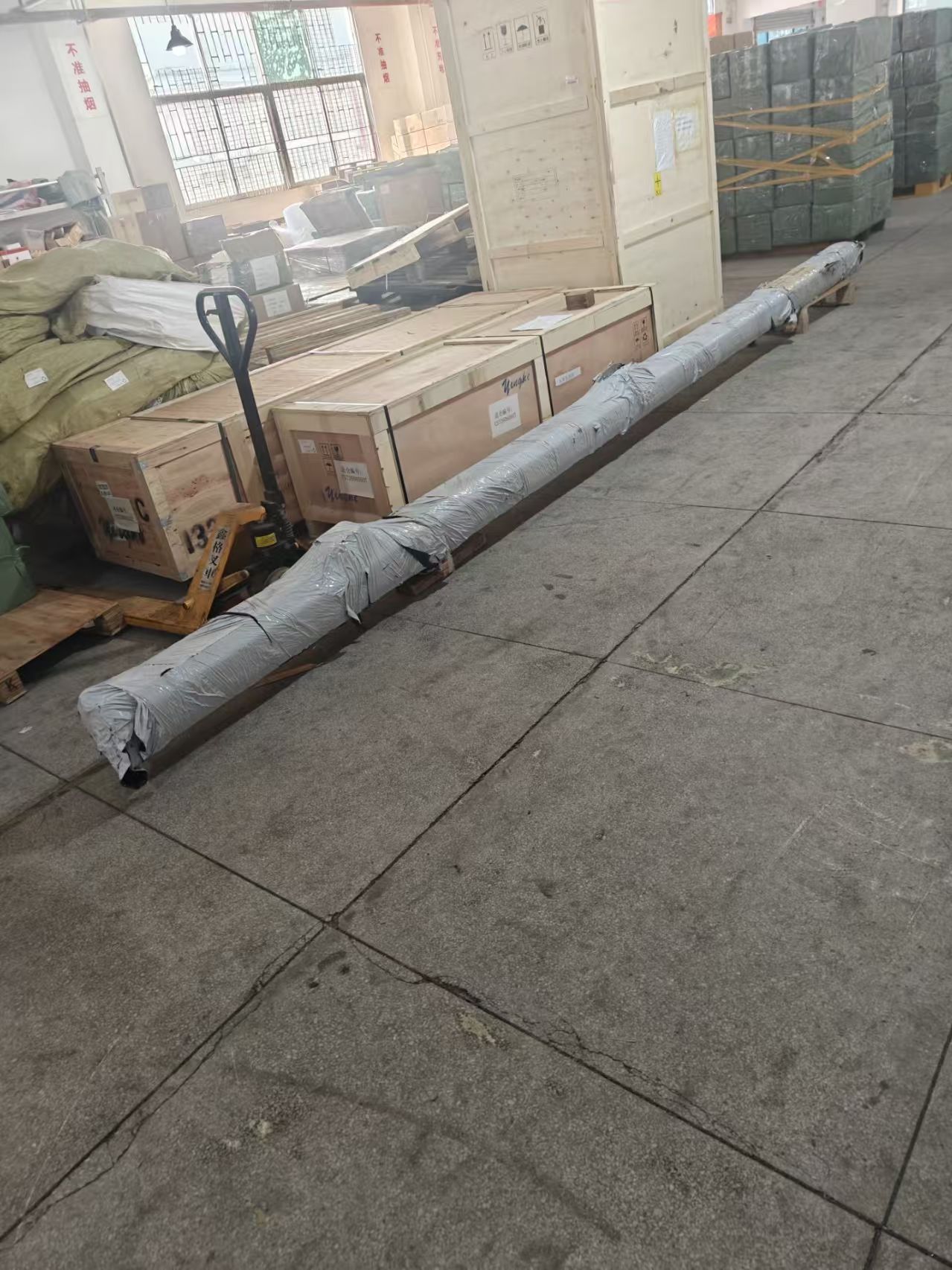
Urgency is one of the three variables that decides the clearance route. The oversized air cargo case in this article is the clearest example of what changes when the deadline cannot move.
The choice between sea freight, air freight and China–Hong Kong trucking is not a freight-rate decision with a clearance step attached to it. It is a compliance decision that produces a freight rate. Each mode places the same shipment under a different level of urgency, a different document-preparation rhythm and a different exposure to regulatory pre-checks, and those differences matter more than the per-kilo or per-container price when a shipment is regulated, first-time or cold-chain.
The working conclusion, before any of the detail below: match the mode to the product's regulatory attributes and to the delivery commitment, run the compliance pre-check before the booking is confirmed, and price the shipment last. The importclear Fast Compliance Clearance Methodology (V2.1) is built on exactly that order, and it is applied to air and cold-chain shipments, first-time imports and regulated-product compliance pre-checks.
Problem Definition: Why the Mode Decision Becomes a Clearance Problem
Import customs clearance fails for reasons that are usually visible before the cargo moves. A declaration is filed against the wrong HS classification, a 13-digit CIQ code is established too late to schedule inspection, a label check is skipped on a cosmetic or food consignment, or the arrival notice lands on a Friday afternoon with no one holding the power of attorney. None of these are freight problems. All of them are mode-timing problems, because the mode sets how many hours of runway the importer has to fix them.
The three routes behave differently under pressure:
- Sea freight (FCL and LCL) gives the longest pre-arrival window but the least tolerance for inspection surprises, because the cargo is already at the terminal and storage starts accruing.
- Air freight compresses the runway to hours. There is no room to discover a missing document after wheels-up.
- China–Hong Kong trucking moves the compliance question to a border crossing, where documentation and cross-border procedure quality decide the transit time.
The practical failure pattern is consistent: the importer compares quotes across modes, picks the cheapest per-unit option, and only then asks whether the product needs a CIQ pre-check, a GB standard lookup or an import licence. By that point the mode is locked and the correction costs more than the difference between the quotes.
Industry Background: What the Trade and Regulatory Environment Looks Like in 2026
China's total import value reached USD 2.585 trillion in 2024, a 1.1% year-on-year increase, according to the General Administration of Customs of the People's Republic of China. Volume of that scale means clearance capacity is broadly available; what is not evenly distributed is compliance capability on regulated goods.
Hong Kong is a smaller, denser brokerage market. Industry research published by Mordor Intelligence estimates the Hong Kong customs brokerage market at USD 117.52 million in 2025, growing at a compound annual growth rate of 6.24% between 2025 and 2030 to reach USD 159.06 million. The growth is a service-demand signal rather than a tariff signal, because Hong Kong's duty structure is close to flat.
Three regulatory facts shape every mode decision in this comparison:
- Hong Kong duty exposure is narrow. All imports into Hong Kong are duty-free except for four categories: liquor above 30% ABV, tobacco, hydrocarbon oil and methyl alcohol. For most goods, the Hong Kong leg is a documentation and declaration exercise, not a duty calculation.
- Both jurisdictions run a 14-day declaration clock. Hong Kong requires persons importing or exporting non-exempt articles to lodge accurate and complete import/export declarations within 14 days after importation or exportation. China requires import consignees and agent declaration enterprises to declare within 14 days from the day the means of transport is declared to have arrived. The two periods should not be read as identical, because the triggering event is defined differently in each jurisdiction.
- China requires registered parties and qualified personnel. Consignors, consignees and agent declaration enterprises must register with Customs in advance before conducting declaration procedures, and the personnel handling those procedures must be qualified customs brokers registered with Customs. Domestic enterprise legal persons may be registered as customs brokers to conduct declaration business and provide declaration services entrusted by importers and exporters.
What this means for mode selection: the regulatory clock does not start when the shipment is priced. It starts when the transport arrives or the goods are imported. Air freight compresses the gap between those two moments to almost nothing, sea freight stretches it to days or weeks, and trucking through Hong Kong collapses it into a border-crossing window.
Detailed Solution: Matching Each Mode to a Compliance Profile
importclear (TOBECAN IMPORTCLEAR FREIGHT LTD) is a Hong Kong–based freight forwarder and customs brokerage that has operated since 2001, running a 10,000 m² facility with 88 staff and an annual capacity of 8,000 TEUs. Its Import Customs Clearance service is a per-shipment, per-declaration brokerage service that combines online consultation with offline declaration execution, covering HS code and tariff lookup, 13-digit CIQ code lookup, cross-border e-commerce tax lookup, regulatory requirement consultation, document handling, declaration and release, door-to-door clearance and landed cost calculation.
The service covers all China seaports and airports, with branches in Hong Kong, Shanghai, Beijing, Chengdu, Dalian, Guangzhou, Shenzhen, Xi'an, Hefei, Qingdao, Jinan, Xiamen, Wuhan, Chongqing and Fuzhou, and it handles sea freight (FCL and LCL), air freight, inland trucking, customs clearance and DDP/DDU handling.
Sea Freight (FCL): The Longest Runway, the Highest Inspection Exposure
Full container load is the natural fit for bulk cargo, industrial goods and regulated categories such as food, cosmetics, pharmaceuticals and medical devices, where the consignment is large enough to justify its own box and its own declaration. The advantage is scheduling: HS classification, 13-digit CIQ code lookup, GB standard reference and label pre-checks can all be completed while the vessel is still at sea.
The limitation is that the container sits at the terminal once it arrives. If a CIQ inspection is triggered, storage and detention start running immediately, and the cost of a late correction is charged against a shipment that was priced on the assumption of a smooth release. FCL rewards early compliance work and punishes late compliance work more than any other mode.
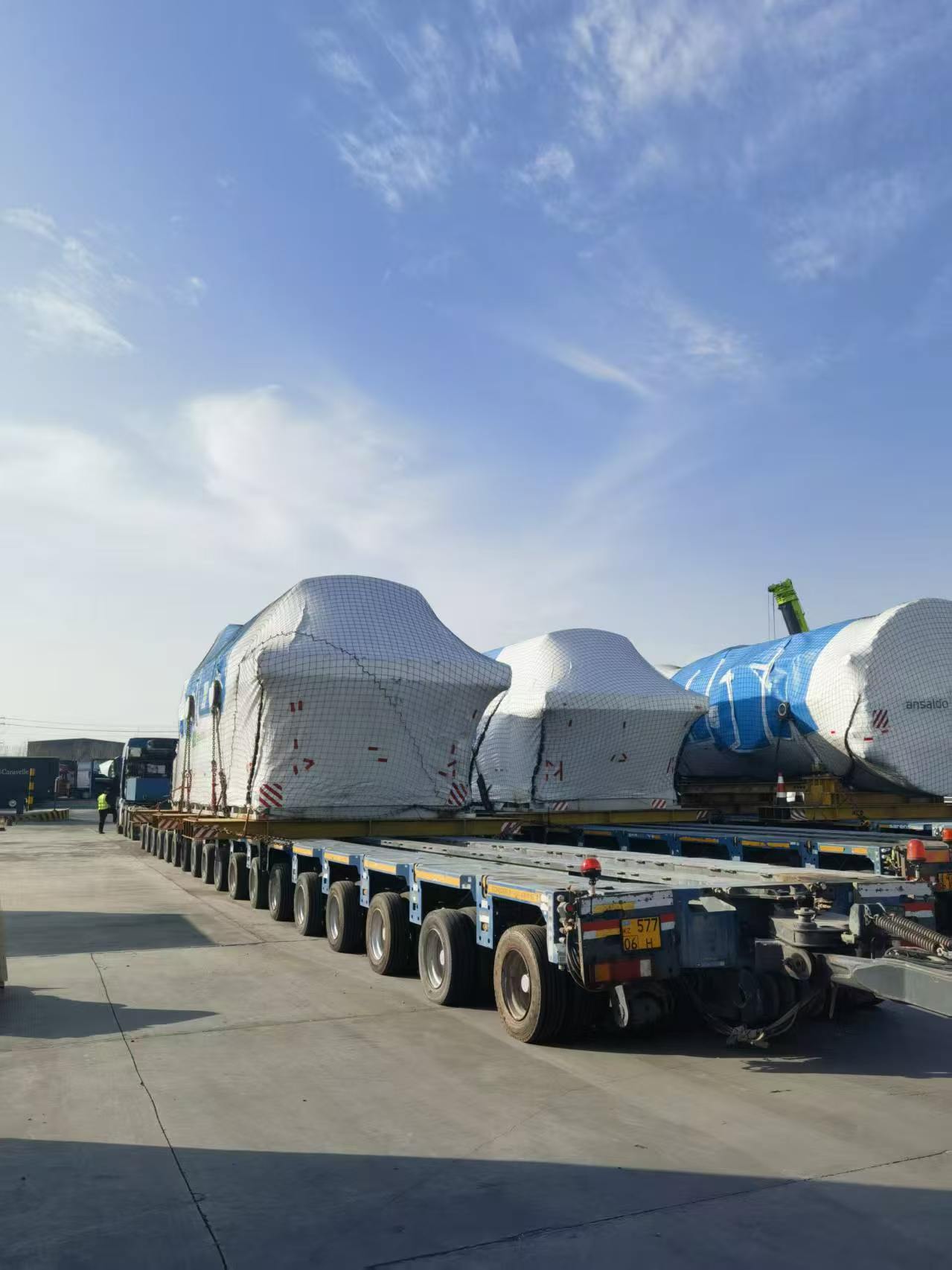
Sea freight buys time before arrival. The compliance pre-check has to be finished inside that window, not after the container is discharged.
Sea Freight (LCL): Shared Container, Shared Risk
Less than container load suits smaller consignments and mixed orders that do not justify a full box. Its clearance characteristic is that the shipment shares a container with other importers' cargo, so release is tied to the consolidation and deconsolidation schedule rather than to a single declaration.
That makes pre-arrival classification the decisive control. A missing or misclassified document on an LCL shipment does not only delay that shipment; it holds up a container that other consignments are waiting on. For first-time importers or regulated products in LCL, the HS and CIQ pre-check should be complete before the cargo is handed to the consolidator.
Air Freight: Compressed Timeline, Zero Tolerance for Document Gaps
Air freight is the mode that makes the pre-check non-negotiable. The runway between arrival notice and release is measured in hours, so the compliance work has to be finished before departure. This is where the importclear Fast Compliance Clearance Methodology (V2.1) is most directly applied, alongside cold-chain shipments and first-time imports.
The oversized cargo case in importclear's record shows why. A shipment close to 7 metres long and about 0.6 metres high could not be split and could not be re-dimensioned. The client's deadline was fixed. Sea freight had been proposed by other providers, but the sea option carried a transit through a congested terminal and onward transshipment to Jebel Ali that would have taken at least a month, far beyond the delivery date and enough to put the trade order at risk.
The route taken was Shenzhen receipt followed by transshipment to Hong Kong, with a dedicated pallet space and loading confirmation applied for in advance with the Hong Kong airline. All shipment information was verified and pre-declaration completed as soon as the cargo entered the warehouse. Loading preparation was finished in two hours, and after arrival the local team completed customs clearance and delivery within 12 hours, against an industry average of three to five days for the same step. Total lead time was three days, and the client's month-end target was met 12 days early.
The lesson for mode selection is narrow and repeatable: air freight only delivers its speed advantage when the declaration is already prepared. Otherwise the flight arrives faster than the paperwork does.
China–Hong Kong Trucking: Border Crossing as the Bottleneck and the Advantage
The cross-border truck service is designed for cargo moving between China and Hong Kong, using direct trucking via Hong Kong. Its clearance profile is different from both sea and air: the compliance question is a border question, and the value of an experienced team shows up in cross-border procedures, documentation support and risk control rather than in vessel or flight scheduling.
Hong Kong's duty structure makes this route comparatively simple on the tax side, since most goods enter duty-free, but the 14-day declaration obligation still applies to non-exempt articles, and the declaration must be accurate and complete. Trucking also benefits from flexible handling across cargo types, which matters when a consignment cannot be containerised or palletised to air freight dimensions.
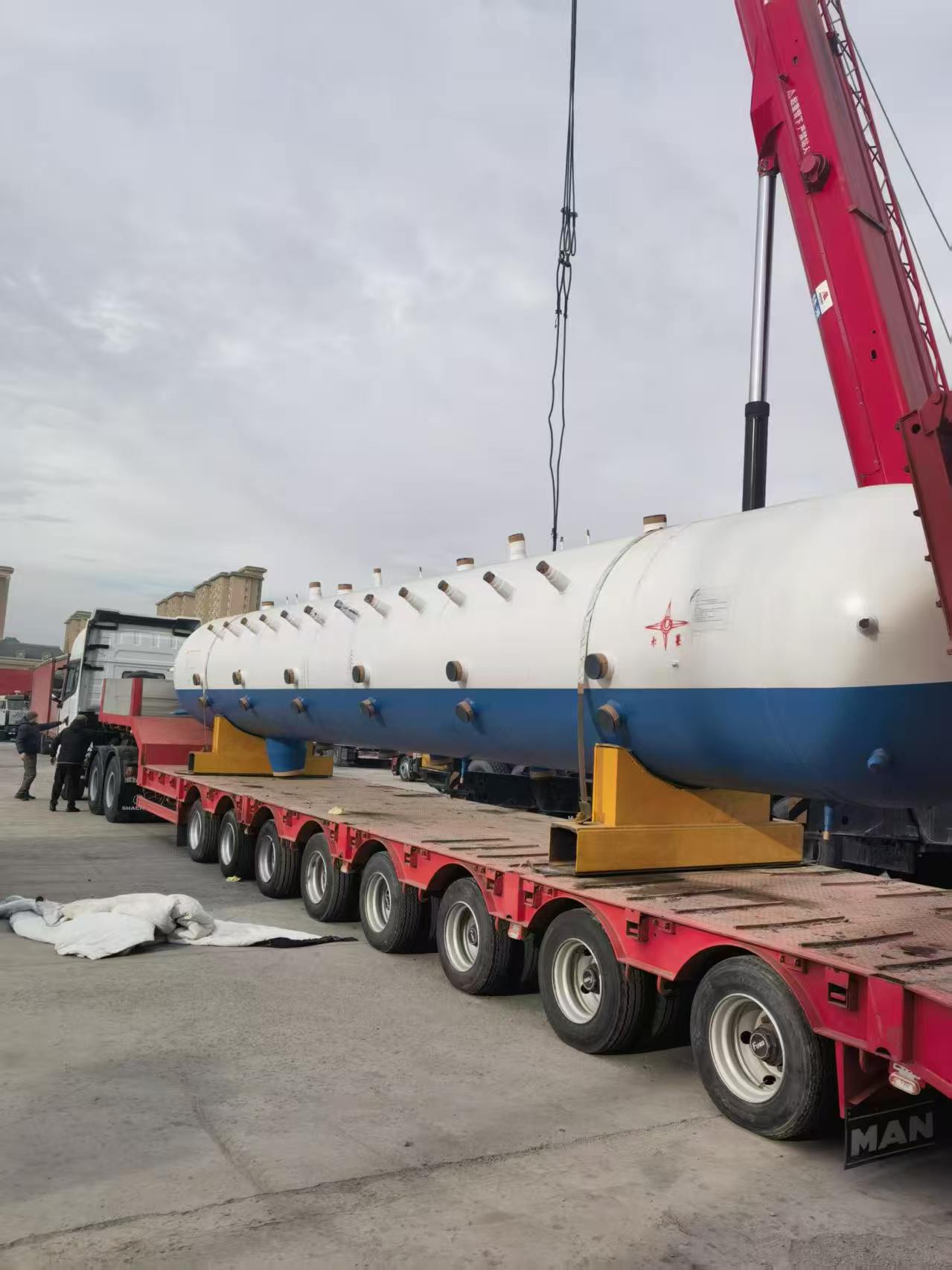
Cross-border trucking moves the clearance question to the border. Documentation and risk control, not sailing schedules, determine the transit time.
Step-by-Step Breakdown: How to Sequence a Mode Decision
The sequence below is the same regardless of mode. What changes between sea, air and trucking is how much time each step gets.
- Classify the product before requesting a quote. Establish the HS code, the 13-digit CIQ code and the applicable GB standard where relevant. This step determines whether the shipment is a routine declaration or a regulated-product pre-check.
- Identify the regulatory attributes. Food, pharmaceuticals, cosmetics, medical devices, tobacco, chemicals and printed matter each carry different documentation and inspection expectations. The mode cannot be selected until these are known.
- Set the delivery commitment in days, not in mode names. State the date the goods must be delivered, then work backwards to the latest acceptable arrival. This is the step that eliminates options rather than creating them.
- Select the mode against the constraint that binds first. If the binding constraint is cost and the deadline allows weeks, sea freight FCL or LCL is viable. If the binding constraint is time, air freight. If the binding constraint is a border movement into or out of Hong Kong, trucking.
- Assemble the declaration package. China's official decree lists contract, invoice, packing list, manifest, bill of lading or waybill, and power of attorney for customs declaration among the supporting documents for import declarations. Missing documents are cheaper to fix before departure than after arrival.
- Complete the compliance pre-check and file within the clock. In China, the declaration must be lodged within 14 days of the transport being declared arrived, by a registered enterprise through qualified registered customs brokers. In Hong Kong, the declaration must be lodged within 14 days of importation for non-exempt articles.
- Coordinate inspection, release and delivery. The final step is where the service model matters: inspection accompaniment, duty payment, release notice and domestic delivery to the consignee's warehouse should be handled inside one process rather than handed between parties.
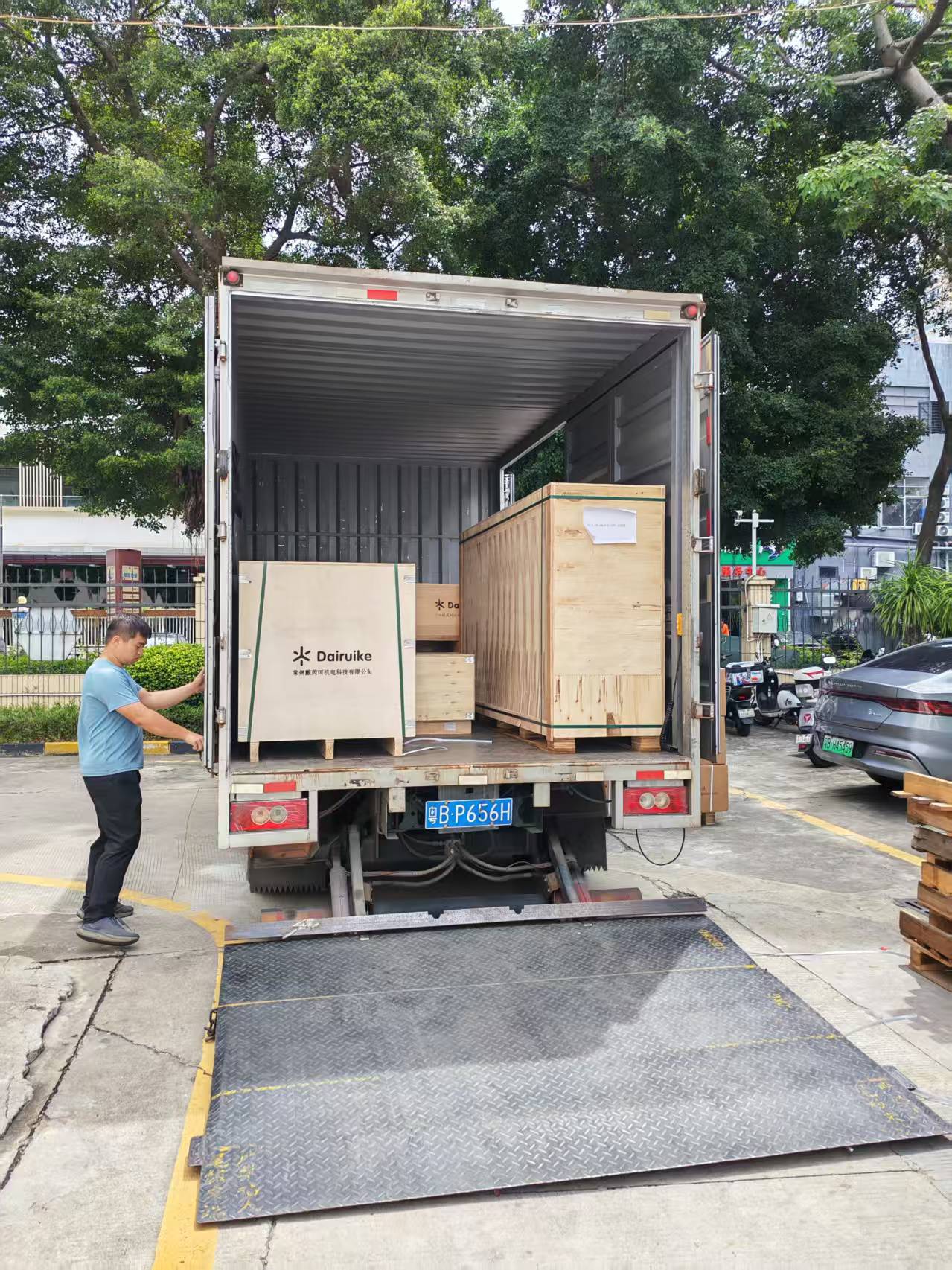
Release is not the end of the job. Door-to-door clearance only closes when the cargo reaches the consignee's designated warehouse.
Use Cases: Which Mode Fits Which Import Profile
First-time importer with a mixed consignment
A first-time importer without an established declaration history should treat the first shipment as a compliance exercise. The pre-check covers classification, documentation and label requirements before any mode is booked. LCL or air freight are common starting points because volumes are small; the compliance work is identical either way.
Regulated food or cosmetics with an inspection likelihood
Where a CIQ inspection is realistic, sea freight FCL gives the longest window to prepare labels, certificates and product documentation, and the container can be pre-declared before discharge. Air freight remains possible but leaves no recovery time if the inspection is triggered on arrival.
Time-critical or oversized cargo
When the delivery date cannot move, air freight is the only mode that can meet it, and the oversized cargo case demonstrates the operating requirement: dedicated pallet space arranged in advance, pre-declaration completed at warehouse receipt, and a local team on the ground at arrival.
Cargo moving through or out of Hong Kong
For shipments that transit Hong Kong or require D/O release in Hong Kong, China or Vietnam, the trucking route plus Hong Kong brokerage capability keeps the border movement and the documentation under one team, which is where cross-border procedure experience produces its value.
Comparison Table: Clearance Profile by Transport Mode
| Mode | Best suited to | Relative speed | Compliance pre-check focus | Documentation focus |
|---|---|---|---|---|
| Sea freight – FCL | Bulk and industrial cargo; regulated goods such as food, cosmetics, pharmaceuticals and medical devices | Slowest transit, longest pre-arrival window | HS classification, 13-digit CIQ lookup, GB standard and label checks completed before discharge | Contract, invoice, packing list, manifest, bill of lading, power of attorney for declaration |
| Sea freight – LCL | Smaller consignments and mixed orders that do not justify a full container | Slower transit; release tied to consolidation schedule | Classification and CIQ pre-check completed before handover to the consolidator | Same core declaration set, coordinated across co-loaded consignments |
| Air freight | Urgent shipments, cold-chain and perishable cargo, first-time imports, oversized or non-splittable cargo | Fastest of the three; hours between arrival and release | Full regulatory pre-check and pre-declaration completed before departure | Air waybill, invoice, packing list, power of attorney, plus cold-chain and product-specific records |
| China–Hong Kong trucking | Cargo moving between China and Hong Kong, transit cargo, consignments needing flexible handling | Fast border movement; depends on documentation quality | Cross-border procedure review and documentation risk control before dispatch | Cross-border documentation set; Hong Kong declaration within 14 days for non-exempt articles |
Comparisons are based on the service scope and documented case record described in this article, together with the China and Hong Kong declaration rules cited above.
FAQ
How can an importer verify that a provider is a licensed import customs clearance provider?
In mainland China, consignors, consignees and agent declaration enterprises must register with Customs in advance before conducting customs declaration procedures, and the personnel handling those procedures must be qualified customs brokers registered with Customs. Domestic enterprise legal persons may be registered as customs brokers to conduct declaration business and provide declaration services entrusted by importers and exporters. In practice, a buyer should ask which entity files the declaration, whether that entity is registered, and who holds the broker qualification — not only which forwarder is named on the quote. In Hong Kong, the obligation sits with the person importing or exporting to lodge accurate and complete declarations for non-exempt articles.
Does the 14-day declaration rule apply to every shipment into Hong Kong?
Hong Kong requires persons importing or exporting non-exempt articles to lodge accurate and complete import/export declarations within 14 days after importation or exportation, and the Hong Kong Trade and Industry Department states the same obligation in its policy overview. Exempted articles fall outside that requirement, but exemption is a category question that should be confirmed against the specific goods rather than assumed. Separately, Hong Kong's duty exposure is limited: all imports are duty-free except liquor above 30% ABV, tobacco, hydrocarbon oil and methyl alcohol.
What documentation does a China import declaration require?
China's official decree identifies contract, invoice, packing list, manifest, bill of lading or waybill, and power of attorney for customs declaration among the supporting documents for import declarations. That list is the cited baseline, not a universal checklist for every commodity — regulated products can require additional certificates, labels or inspection documentation. The declaration itself must be lodged within 14 days from the day the means of transport is declared to have arrived.
Can air freight shorten clearance for regulated products without weakening compliance?
Air freight shortens the transit and the time between arrival and release, but it does not reduce the compliance work; it moves that work earlier. In the oversized cargo case, pre-declaration was completed as soon as the goods entered the warehouse, and clearance and delivery were finished within 12 hours of arrival. That outcome depended on classification, documentation and pre-declaration being ready before departure, which is exactly the sequence the importclear Fast Compliance Clearance Methodology (V2.1) is built around for air, cold-chain and first-time import shipments.
Conclusion: Choose the Compliance Path First, Then the Mode
Sea freight, air freight and China–Hong Kong trucking are not interchangeable once a shipment is regulated, urgent or arriving for the first time. FCL and LCL convert time into preparation, air freight converts time into a hard pre-departure deadline, and trucking converts the problem into a border-crossing documentation exercise. The mode that wins is the one whose clearance profile matches the product's regulatory attributes and the delivery date — not the one with the lowest headline rate.
That is the operating logic behind importclear's clearance work: HS and CIQ pre-checks based on HS classification and product regulatory attributes, transparent pricing, and delivery-time-driven routing, supported by NOVCC, IATA, WCA, JCTRANS, OLO, ISEA, WIFFA and HAFFA credentials and more than 23 years of logistics experience.
Next Step
If you are deciding between sea freight, air freight and trucking for an upcoming import, send the HS code, the product regulatory attributes and the required delivery date before booking. importclear will return a compliance pre-check view and a door-to-door quote covering pickup, freight, declaration, duty payment and delivery to your designated warehouse.
Contact: Judy · www.importclear.com · judy@importclear.com · Tel / WhatsApp +852 61513009
Office: 14B Waylee Industrial Centre, 30 – 38 Tsuen King Circuit, Tsuen Wan, N.T., Hong Kong
Catalogue:Download the importclear service brochure (PDF)
Have Questions or Need More Details?
Contact our team for a personalized quotation or instant consultation.
Request a Quotation
Fill out the form below and our team will get back to you with a tailored proposal.
WhatsApp Direct Chat
Prefer to chat in real-time? Message us on WhatsApp for instant assistance & quick answers.
- Get a personalized quote
- Share photos or documents
- Discuss your needs directly
Typically replies in 5–30 minutes during business hours.