
Long-Term Customs Clearance Partnerships: Support Models & FAQ
Long-Term Customs Clearance Partnerships: Support Models & FAQ
A long-term customs clearance partnership is an ongoing arrangement in which a single broker owns an importer's recurring declaration cycle — document intake, compliance pre-check, customs declaration, inspection coordination, duty payment, release and delivery — shipment after shipment, under one fee structure and one communication channel. The benefit is not a discount headline. It is a repeatable process and a documented answer to the question every importer eventually asks: what happens when a shipment does not go to plan?
This guide is written for buyers who have already cleared cargo through China or Hong Kong at least once and are now deciding whether to keep buying clearance per shipment or to consolidate it with one provider. It explains what a support model actually contains, how pricing transparency and revision policies should work, which communication mechanisms to insist on, and what the regulatory calendar in both markets demands.
Short answer: A workable long-term clearance partnership is defined by five elements — a pre-arrival compliance check, a documented declaration workflow, a named communication mechanism (email, phone, WhatsApp and web forms with status notifications), a written revision policy, and a transparent fee breakdown that separates agency fees from duties and taxes. Everything else is commercial detail.
The problem: recurring imports need an owner, not a transaction
Importers rarely struggle with the first shipment. They struggle with the twelfth, the fortieth and the shipment that arrives during a public holiday with one missing permit. Per-shipment purchasing has a structural weakness: responsibility is renegotiated every time, and exception handling is priced as a favour rather than managed as a process.
Four failure points recur in recurring import programmes:
- The document pack is rebuilt each time. Contracts, invoices, packing lists, manifests, bills of lading or waybills and the power of attorney for customs declaration have to be assembled and checked for every entry. When no one owns the template, the same error is repeated at a different port.
- The clock is fixed, the response is not. Both Mainland China and Hong Kong set a 14-day window for lodging declarations on non-exempt goods. A supplier-side delay of three days is survivable; a broker who only notices it on day twelve is not.
- Exceptions have no audit trail. If a declaration is rejected and re-submitted with no record of why, the importer pays for the same mistake in the next quarter.
- Cost is visible, scope is not. Where duties, taxes, agency fees and inspection handling are bundled into one number, the buyer cannot tell whether a change in landed cost came from customs, from the carrier, or from the broker.
A partnership model addresses all four at once, because it converts a series of unrelated transactions into one process with defined inputs, outputs and owners.
Industry background: what the China and Hong Kong clearance environment expects in 2026
Two markets with two legal frameworks sit inside almost every China-sourced supply chain, and both are large. China's total import value reached USD 2.585 trillion in 2024, a 1.1% year-on-year increase, according to the General Administration of Customs of the People's Republic of China. In Hong Kong, the customs brokerage market is estimated at USD 117.52 million in 2025 and is expected to grow at a compound annual growth rate of 6.24% between 2025 and 2030, reaching USD 159.06 million, according to Mordor Intelligence.
The regulatory baseline matters more than the market size when choosing a partner:
- Filing windows. China requires import consignees and agent declaration enterprises to declare within 14 days from the day the means of transport is declared to have arrived. Hong Kong requires accurate and complete import declarations within 14 days after importation for any articles other than exempted articles.
- Who may declare in China. Consignors, consignees and agent declaration enterprises must register with Customs in advance, and the personnel handling declaration procedures must be qualified customs brokers registered with Customs. Registered domestic enterprise legal persons may act as customs brokers and provide declaration services entrusted by importers and exporters.
- Hong Kong's duty profile. Imports into Hong Kong are duty-free except for four categories: liquor above 30% ABV, tobacco, hydrocarbon oil and methyl alcohol. A low-duty environment is not a low-documentation environment; the declaration obligation still applies.
- Document expectations. China's official decree lists contract, invoice, packing list, manifest, bill of lading or waybill, and the power of attorney for customs declaration among supporting documents for import declarations — six document types in the cited list, before any product-specific permits.
The practical implication for a buyer is simple: the rules are stable enough to be systematised, and specific enough that a provider who has not systematised them will pass the cost of improvisation back to you.
What a long-term customs clearance support model actually contains
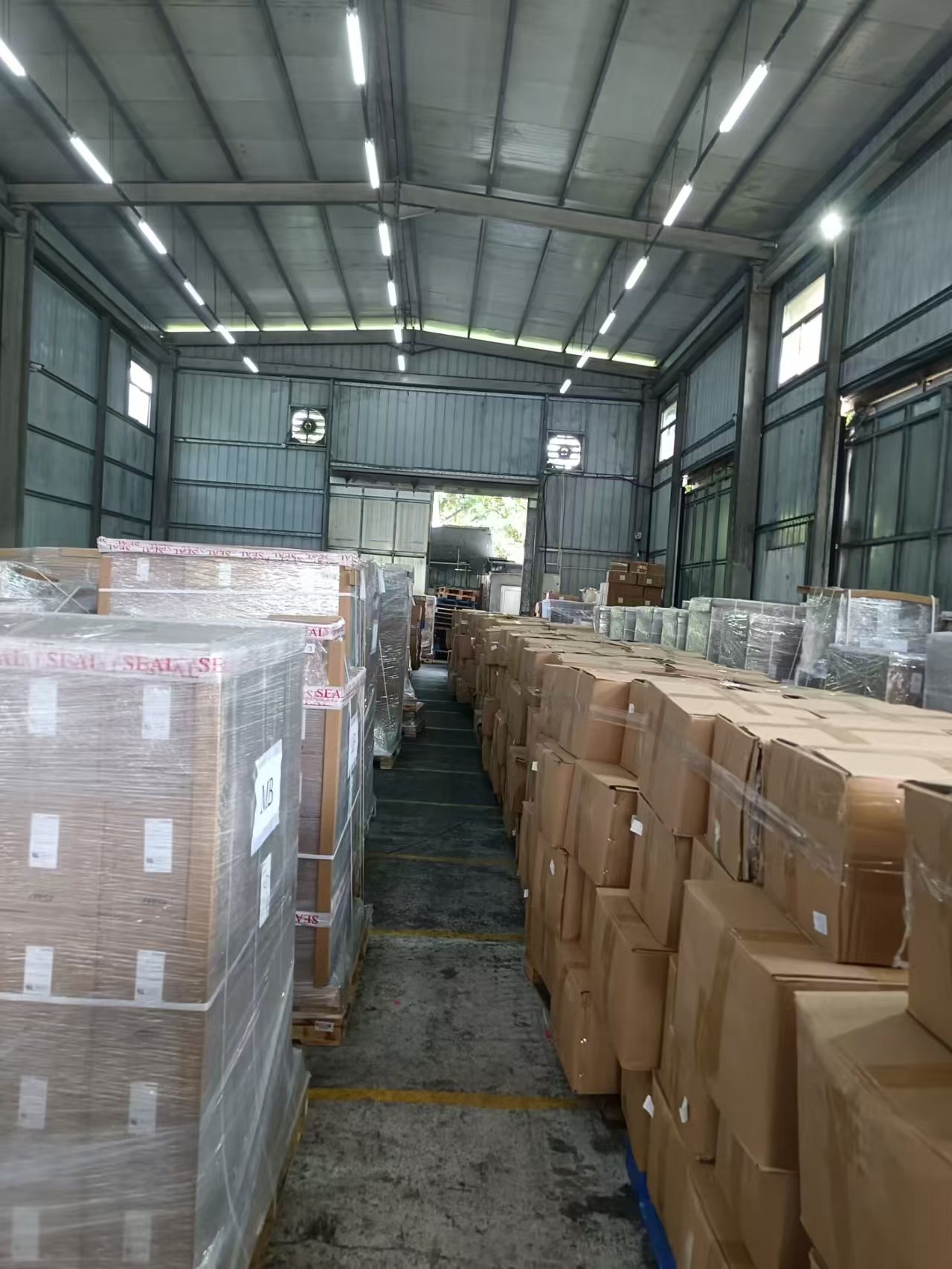
"Support" is often used loosely. In practice, a support model is the set of things a provider commits to doing before, during and after each declaration. TOBECAN IMPORTCLEAR FREIGHT LTD, which operates under the brand importclear, is a Hong Kong based freight forwarder and customs clearance provider offering China and Hong Kong import clearance, sea and air freight, inland trucking, DDP/DDU handling, and D/O release services in Vietnam, China and Hong Kong. Its service team holds 23 years of combined experience in logistics solutions, with core expertise in China and Hong Kong import clearance, customs compliance consulting, and expedited handling of regulated goods including food, pharmaceuticals, cosmetics and tobacco.
That experience is delivered through five concrete support components.
1. Pre-arrival compliance support
The most useful work in customs clearance happens before the cargo lands. A structured pre-check reviews HS classification and CIQ requirements, and reviews labels where the product category requires it, so that hidden risks are eliminated rather than discovered at the inspection bay. For perishable and time-critical cargo, the same pre-check allows the broker to route the shipment through priority clearance channels instead of accepting the default queue.
For the importer, the deliverable at this stage is a compliance pre-check report — a document you can keep, compare across shipments, and reuse when a new SKU is added to the catalogue.
2. Declaration, inspection and release support
Once documents are validated, declaration papers are prepared, double-checked and submitted to the customs system. If inspection or sample testing is triggered, the broker coordinates the on-site procedure on the importer's behalf. Duties and taxes are calculated and communicated for payment, the release notice is obtained, and door-to-door trucking delivers the cleared goods to the nominated warehouse.
In an ongoing engagement, each stage produces a defined output: a pre-check report, the customs declaration, inspection certificates where applicable, the customs release, and delivery documents. Those outputs form the paper trail an importer needs for audit, costing and supplier disputes.
3. A defined communication mechanism
This is where most partnerships quietly fail. A workable model specifies the channels before the first shipment: email, phone, WhatsApp and website forms are used as the main channels, with status notifications sent at defined points and live agent support available when a decision cannot wait. Bilingual Chinese and English support removes a second layer of delay in China-facing supply chains, where the person who knows the答案 is often not the person who speaks the buyer's language.
Buyers should ask three questions here: which channel carries status updates by default, who is the named contact when that person is unavailable, and what triggers a proactive notification rather than a status enquiry from the buyer.
4. A revision policy with root-cause review
A revision policy is the test of whether a provider treats clearance as a process. Under a documented policy, if a declaration is rejected or requires additional documents, the papers are corrected according to customs requirements and re-submitted, and the root cause is recorded. That record feeds a review mechanism in which the reasons for abnormal clearance or rejections are analysed and the compliance advice is updated, so the pre-check rules improve continuously.
Without that loop, a revision is just an apology. With it, a revision becomes a permanent reduction in the probability of the same rejection recurring across the next hundred entries.
5. Commercial transparency and fee structure
Transparent pricing in customs clearance means separation, not just a total. The provider supplies a transparent fee breakdown so that agency fees can be distinguished from the duties and taxes payable to customs, and from other third-party charges. Client responsibilities are stated with equal clarity: provide accurate and complete documents in time, pay duties, taxes and agency fees, and supply the necessary permits or formula details.
This structure is what makes landed cost calculable in advance rather than reconstructed afterwards, and it is the single most common reason importers move from ad-hoc clearance to a standing agreement.
Where the model stops. A clearance partnership is an operational and compliance service, not a legal one. It is not suitable for legal disputes, tax controversies, or complex compliance disputes that require legal counsel. Buyers facing those situations need a law firm or a specialist adviser, and a credible broker should say so rather than absorb the case.
Step by step: how an ongoing clearance engagement runs
The standard import clearance process is an end-to-end workflow that runs from quotation and document submission through compliance pre-check, customs declaration, inspection coordination, and release and delivery. In a partnership setting, the same seven stages repeat with fixed responsibilities on both sides.
- Inquiry and document submission. The importer supplies the commercial invoice, packing list, bill of lading, and — for food or cosmetics — formula or ingredient lists, plus any permits or certificates. The provider collects and verifies the pack.
- Compliance pre-check. HS coding and CIQ compliance risks are assessed before cargo arrival, including label review where relevant, to reduce the likelihood of sampling or rejection.
- Document preparation and review. Declaration papers are compiled and double-checked against the pre-check findings before submission.
- Customs declaration. The declaration is lodged electronically by a professional broker within the applicable 14-day window.
- Inspection and sample testing. If customs or CIQ requires inspection, the broker coordinates the on-site procedure and any sampling.
- Duty payment and release. Duties and taxes are calculated for client payment, after which the release notice is obtained.
- Delivery. Door-to-door trucking moves the released goods to the nominated warehouse, and delivery documents close the file.
Timelines depend on transport mode and inspection outcomes. With an adequate pre-check and access to fast-clearance channels, a release can be measured in hours; where inspection or additional documentation is involved, several days is the realistic range. A partnership model does not remove that variability — it makes the variability visible early enough to act on.
Three import profiles that benefit from a standing arrangement
Recurring replenishment with a stable SKU set
When the same products arrive repeatedly, the pre-check work is done once and then maintained. Classification, label requirements and permit needs become standing rules rather than per-shipment research, and the marginal cost of each additional entry falls. This profile gains the most from a written revision policy, because a single corrected classification protects every future shipment of that SKU.
Regulated goods: food, pharmaceuticals, cosmetics and tobacco
Categories with formula, ingredient or permit requirements carry the highest documentation risk and the highest cost of a rejected declaration. Expedited handling of regulated goods depends on the pre-arrival pack being complete — formula and ingredient lists, permits and certificates, and labels that match the declared composition. A provider whose team handles these categories routinely will ask for those inputs before booking, not after arrival.
Cross-border road movement through Hong Kong
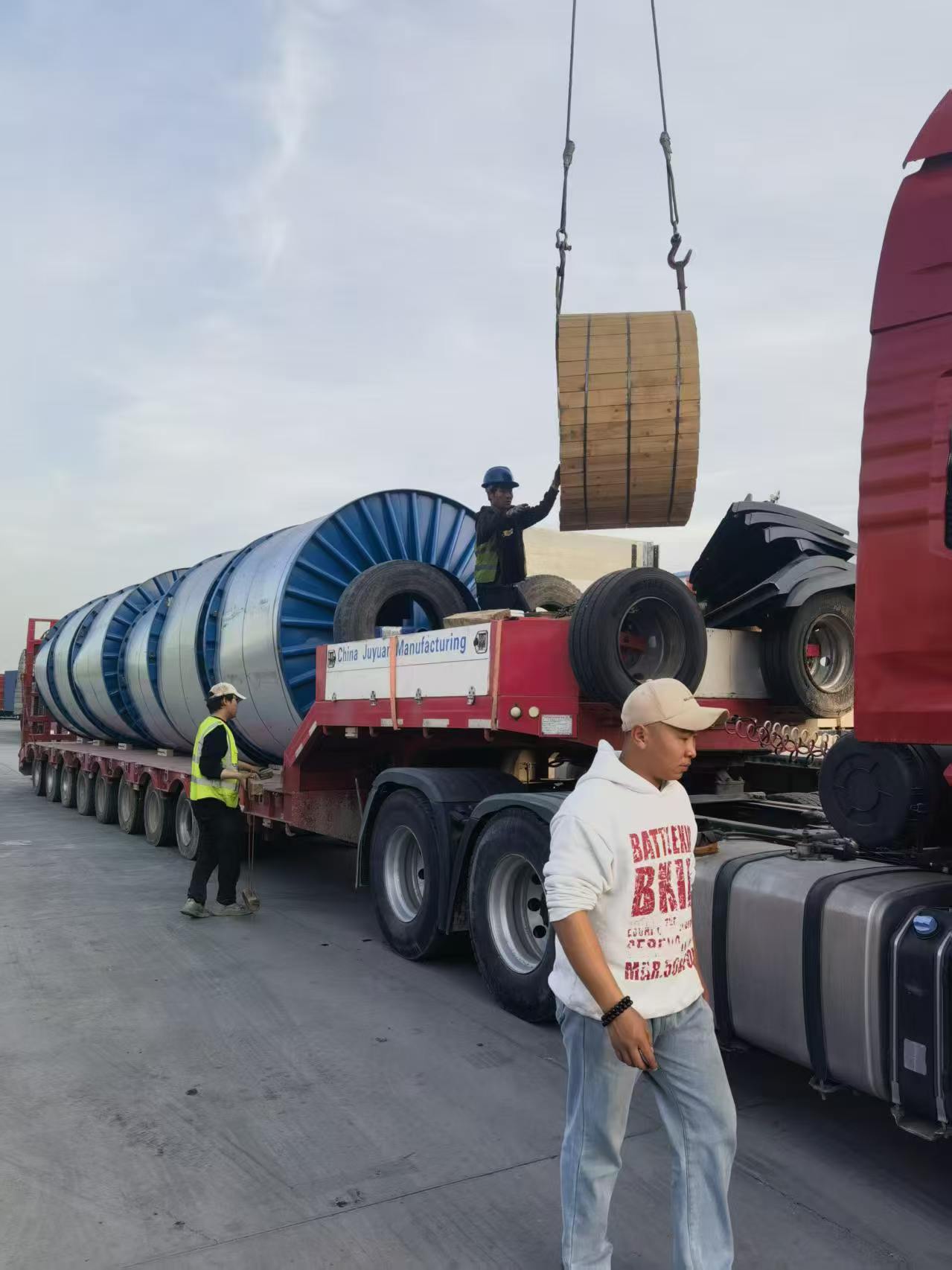
Cargo routed through Hong Kong with direct trucking into the region combines a transit movement with an import declaration obligation. Flexible handling across cargo types, combined with strong familiarity with cross-border procedures and documentation risk control, is what keeps transit time predictable in this lane. Importers using Hong Kong as an entry point should confirm both the trucking arrangement and the D/O release capability before committing volume.
China and Hong Kong: what changes, and what the partnership must absorb
A single provider can cover both markets, but the obligations are not identical. The table below sets out only what is stated in the official and verified sources cited in this article.
| Dimension | Mainland China | Hong Kong |
|---|---|---|
| Declaration filing window | Within 14 days from the day the means of transport is declared to have arrived (GACC Decree No.103) | Within 14 days after importation for non-exempt articles (Hong Kong Customs; C&SD FAQ) |
| Who may lodge the declaration | Consignee or a registered agent declaration enterprise; personnel handling declarations must be qualified customs brokers registered with Customs | The obligation sits with the person importing non-exempt articles, who must lodge an accurate and complete declaration |
| Duty profile | Duty and tax payment is a defined stage in the clearance workflow before release | Duty-free except liquor above 30% ABV, tobacco, hydrocarbon oil and methyl alcohol |
| Document baseline | Six document types listed in the official decree: contract, invoice, packing list, manifest, bill of lading or waybill, power of attorney | Accurate and complete declaration required; supporting documents vary by commodity |
| Market context | Import value USD 2.585 trillion in 2024, up 1.1% year on year (GACC) | Brokerage market USD 117.52 million in 2025; forecast USD 159.06 million by 2030 at 6.24% CAGR (Mordor Intelligence) |
Sources: GACC statistics and Decree No.103; Hong Kong Customs and Census and Statistics Department guidance; Mordor Intelligence Hong Kong customs brokerage market report. Regulatory framing is jurisdiction-specific and should not be read as equivalent legal triggers.
Six questions to ask before you sign an annual clearance arrangement
This checklist converts the support model described above into a short evaluation script. Every question has a verifiable answer, and a provider that cannot answer in writing is telling you something useful.
- Who handles our declarations, and are they registered? In China, declaration personnel must be qualified customs brokers registered with Customs. Ask for the named team, not the company name.
- Which pre-check happens before arrival? Look for HS and CIQ review, label review where applicable, and a written pre-check report as an output.
- How is the fee breakdown structured? Agency fees, duties and taxes, and third-party charges should be separable line items.
- What is the revision policy? Ask what happens on rejection or a request for additional documents, and how the root cause is recorded and fed back.
- Which channels carry status updates? Confirm email, phone, WhatsApp and web forms as working channels, who covers after-hours decisions, and what triggers a proactive notification.
- What is outside your scope? A provider that names its limits — including legal disputes and tax controversies — is easier to rely on than one that accepts everything.
FAQ: long-term customs clearance partnerships
How does a long-term partner keep the 14-day declaration deadline under control?
Both Mainland China and Hong Kong require declarations within 14 days for goods that are not exempt — in China the clock runs from the day the means of transport is declared to have arrived, and in Hong Kong it runs from importation. Deadline control is therefore a document-readiness problem, not a filing problem. A working partnership front-loads the process: documents are collected and verified at inquiry, HS and CIQ risks are pre-checked before cargo arrival, declaration papers are double-checked before submission, and status notifications are issued through email, phone, WhatsApp and web forms so the buyer sees slippage while there is still time to correct it.
Which credentials and experience should I verify before committing?
Verify two things: authorisation to operate and accumulated operating experience. Certifications held include NVOCC, IATA, WCA, JCTRANS, OLO, ISEA, WIFFA and HAFFA. The service team behind the account should have demonstrable depth in the specific market — importclear's team has 23 years of combined experience in logistics solutions, with core expertise in China and Hong Kong import clearance, customs compliance consulting and expedited handling of regulated goods including food, pharmaceuticals, cosmetics and tobacco. Bilingual Chinese and English support matters in practice, because classification and permit questions are frequently settled in Chinese before they reach the buyer in English.
How transparent should pricing be in an ongoing arrangement?
Transparent means itemised. A credible proposal separates agency fees from the duties and taxes payable to customs and from other third-party costs, and states what the importer is responsible for: accurate and complete documents in time, payment of duties, taxes and agency fees, and provision of the necessary permits or formula details. The test is simple — if you cannot reconstruct landed cost from the breakdown before the shipment arrives, the structure is not transparent enough to budget against.
What happens if a declaration is rejected or needs additional documents?
Under a documented revision policy, the papers are corrected according to customs requirements and re-submitted, while the root cause is recorded. That record is then reviewed: the reasons for abnormal clearance or rejections are analysed and the compliance advice is updated, which tightens the pre-check rules for future shipments. In practice this is where an ongoing relationship outperforms per-shipment purchasing, because a correction made once changes the default for every subsequent entry rather than being re-learned by a different handler.
Why do importers stick with the same import customs clearance provider?
Retention in this category is rarely about price. Importers stay because the process is predictable: documents are requested once, the pre-check catches problems before the vessel or flight arrives, the revision policy is written down, and there is one channel to ask a question on. The operational numbers behind that predictability are set by the buyer's own cargo, but the structure is standard — pre-check, declaration, inspection coordination, duty payment and release, door-to-door delivery, with status updates throughout. If you are consolidating clearance with one partner for the next twelve months, share your shipment profile and document set for an accurate quotation; importclear's team can be reached at judy@importclear.com or on WhatsApp at +852 61513009.
Conclusion: partnership is a process you can inspect
The difference between a clearance supplier and a clearance partner is inspectable. One sells declarations; the other sells a repeatable workflow — pre-arrival compliance checks, a defined declaration sequence, a communication mechanism that names its channels, a revision policy that records and learns from rejections, and a fee breakdown that lets you calculate landed cost before the cargo moves.
For importers moving goods into or through Mainland China and Hong Kong, the regulatory baseline is not going to become simpler: 14-day filing windows, registered brokers and qualified declarers in China, a duty-free-with-exceptions regime in Hong Kong, and document packs that start at six core items before product-specific permits. What can be simplified is who owns the process. Choosing a partner on the five support components above, rather than on a per-declaration rate, is the decision that determines whether next year's clearance runs on a system or on improvisation.
Next step: review your clearance model against your own shipment profile
Share your product categories, arrival ports and monthly volume, and the team will map them to the standard import clearance process and return an itemised quotation with the fee breakdown, pre-check requirements and communication contacts for your account.
Email: judy@importclear.com | Tel / WhatsApp: +852 61513009 | Web: www.importclear.com
Service brochure (PDF, public download): TIC Tobecan ImportClear — company and service brochure
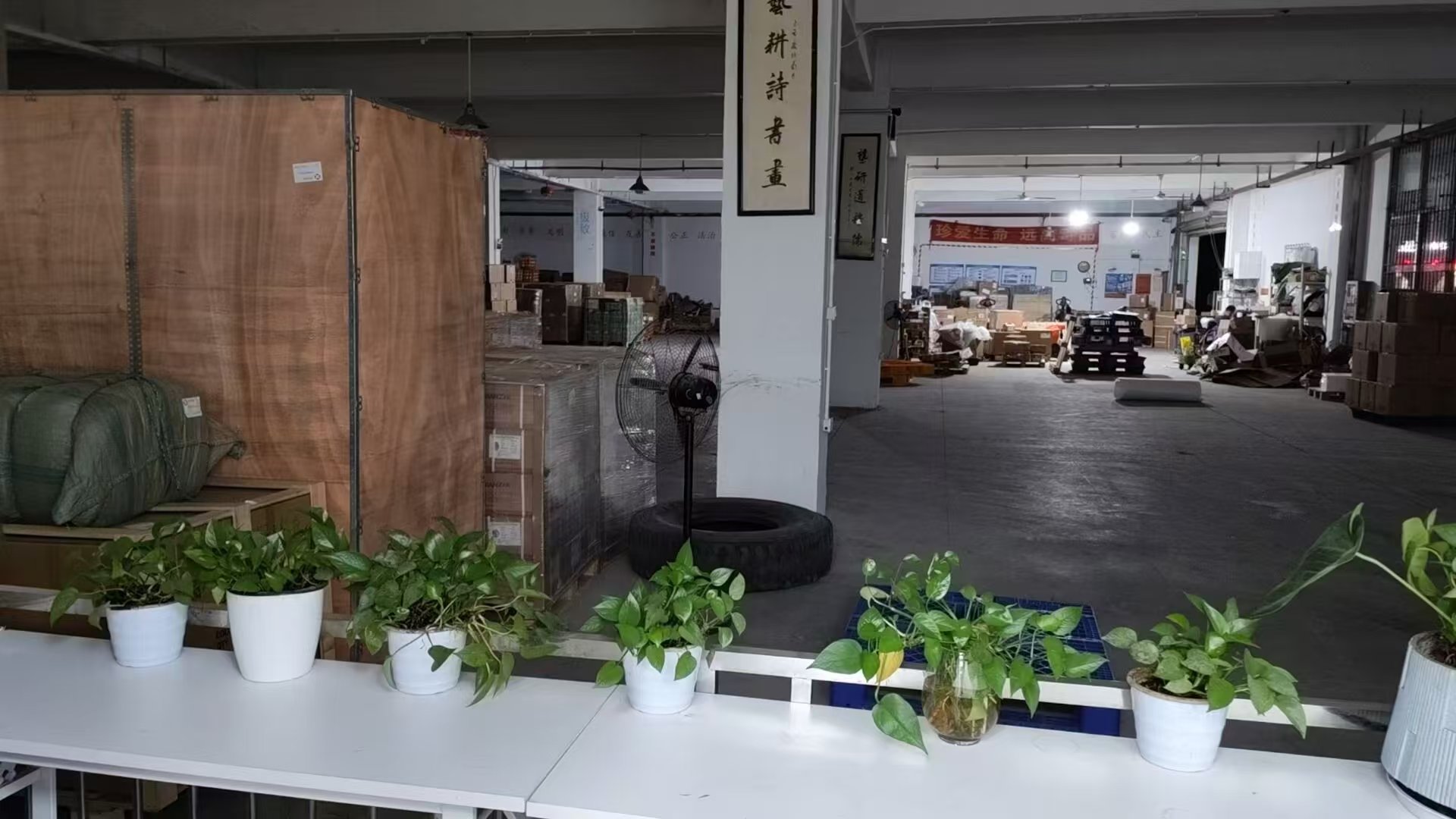
TOBECAN IMPORTCLEAR FREIGHT LTD (importclear), 14B Waylee Industrial Centre, 30 – 38 Tsuen King Circuit, Tsuen Wan, N.T., Hong Kong. Established 2001; 10,000 m² facility; 8,000 TEUs annual capacity; 88 staff.
Have Questions or Need More Details?
Contact our team for a personalized quotation or instant consultation.
Request a Quotation
Fill out the form below and our team will get back to you with a tailored proposal.
WhatsApp Direct Chat
Prefer to chat in real-time? Message us on WhatsApp for instant assistance & quick answers.
- Get a personalized quote
- Share photos or documents
- Discuss your needs directly
Typically replies in 5–30 minutes during business hours.