
Technical Parameters for Import Customs Clearance Systems: HS/CIQ Pre-Check, OCR & Data Sync
Technical Parameters for Import Customs Clearance Systems: HS/CIQ Pre-Check, OCR & Data Sync
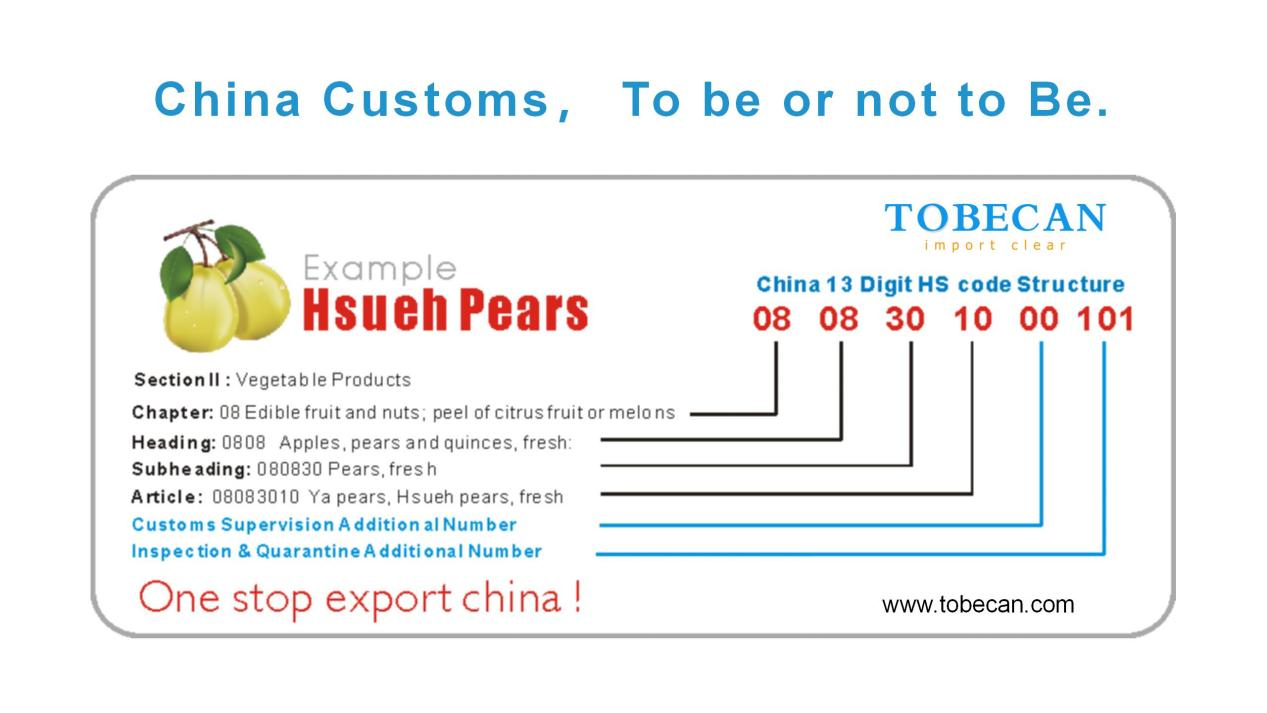
A customs clearance system is not judged by the declaration it files. It is judged by four parameters that decide whether that declaration survives first review: how deeply it pre-checks HS classification and CIQ requirements, how accurately it calculates landed cost, how quickly it synchronises customs data between parties, and how reliably it reads and validates the documents that feed the filing. Get those four parameters wrong and no amount of brokerage experience compensates.
Importers, trading companies, cross-border e-commerce sellers, food and pharmaceutical suppliers, manufacturers and retailers importing into Mainland China or Hong Kong run into the same wall: HS classification errors, changing CIQ requirements, unclear tariffs, rejected declarations and hidden fees. TOBECAN IMPORTCLEAR FREIGHT LTD (importclear) is a Hong Kong-headquartered freight forwarding and customs clearance company established in 2001 that provides sea freight, air freight, inland trucking, customs clearance and DDP/DDU handling. This guide sets out the system parameters worth specifying, the seven-step Fast Compliance Clearance Methodology (V2.1) that sequences them, and the shipment types where each parameter carries the most weight.
Why Clearance Systems Fail Before the Declaration Is Filed
Core problems in import and export are compliance complexity and frequent regulatory changes, HS classification errors, and CIQ requirements that cause delays or extra costs. At shipment level these show up as unclear tariffs and rules, rejected declarations, inspection and release delays, and hidden fees. None of those failures are created at the counter; they are created upstream, in the pre-check phase, and they surface later as cost.
The business impact is operational and easy to name: delivery delays, increased storage or detention costs, fines or cargo returns, and reduced customer satisfaction. Because clearance issues affect delivery timelines and inventory turnover directly, urgency is high, and it rises sharply for regulated goods.
The people who absorb that risk are procurement managers, logistics and supply chain managers, compliance and trade compliance officers, and customs declaration specialists. They rarely control the underlying technology of a clearance provider, but they are the ones who have to specify what the provider must be able to do before the first shipment moves. That specification is where the four technical parameters belong.
Industry Background: Where Clearance Parameters Sit in the Market
The customs clearance and international logistics services industry covers import customs brokerage, import compliance consulting, cross-border e-commerce clearance and door-to-door clearance. It serves importers, trading companies, cross-border e-commerce sellers, food and pharmaceutical suppliers, manufacturers and retailers that need China or Hong Kong clearance.

Scale is not the constraint. China's total import value reached USD 2.585 trillion in 2024, a 1.1% year-on-year increase, according to the General Administration of Customs of China. Hong Kong's customs brokerage market was estimated at USD 117.52 million in 2025 and is projected to reach USD 159.06 million by 2030, according to Mordor Intelligence. Cross-border e-commerce import and export volume in China reached CNY 2.75 trillion, approximately USD 406.9 billion, in 2025, supported by streamlined clearance in pilot zones, according to the Ministry of Commerce of China.
The transport mix matters as much as the size. Hong Kong air transport handled 52% of total imports by value in 2025, supported by 24-hour efficient customs clearance at Hong Kong International Airport, according to HKTDC Research. That concentration in air freight explains why real-time data synchronisation and document recognition are not optional parameters in Hong Kong: a slow pre-check on an air shipment is a delivery failure, not an inconvenience.
On the compliance side, Authorized Economic Operator (AEO) status facilitates customs clearance for commodities trading between China and partners such as Australia, providing reduced inspection rates and prioritised clearance, as described by the General Administration of Customs of China. Buyers who can route through AEO-supported channels are, in effect, buying lower inspection risk rather than faster paperwork.
Existing market solutions fall into four broad models: traditional customs brokers, freight-forwarder plus broker combinations, online self-service clearance platforms, and third-party compliance consultants. Reported limitations of these models include a lack of price and process transparency, the absence of unified online tools, uneven branch and channel capabilities, and insufficient specialised experience for regulated goods. Those four gaps map almost exactly onto the four technology layers below.
The Four Technology Layers That Define a Clearance System
When importers compare clearance systems, the differences that decide outcomes are rarely visible on a rate sheet. They sit in four technology layers, and each one can be written into a specification before a contract is signed.
1. Commodity Regulatory Database Engine
This is the layer that answers two questions: what is this product, and what does it require? In the documented importclear service scope it covers HS code and tariff lookup, 13-digit CIQ code lookup, cross-border e-commerce tax lookup, and regulatory requirement consultation. The parameter to verify is coverage breadth in a single query. A system that returns an HS code but not the corresponding CIQ code or regulatory condition still leaves the buyer to guess at the permitting requirement. Because HS classification errors and CIQ requirements are the two most frequently cited causes of delays and extra cost, a shallow database engine is the most expensive shortcut in the stack.
2. Intelligent Cost Calculation Algorithm
Classification decides what is owed; the cost algorithm decides whether the quote survives to the final invoice. The relevant deliverable is a landed cost calculation report. Two parameters separate a useful calculator from a decorative one. First, does it separate duties, taxes, international freight and service fees as distinct lines? That matters because customs duties and taxes are payable by the client, and international freight is usually billed separately. Second, does it handle the tax regimes that apply to cross-border e-commerce rather than defaulting to a general tariff assumption?
3. Customs Data Real-Time Synchronization Middleware
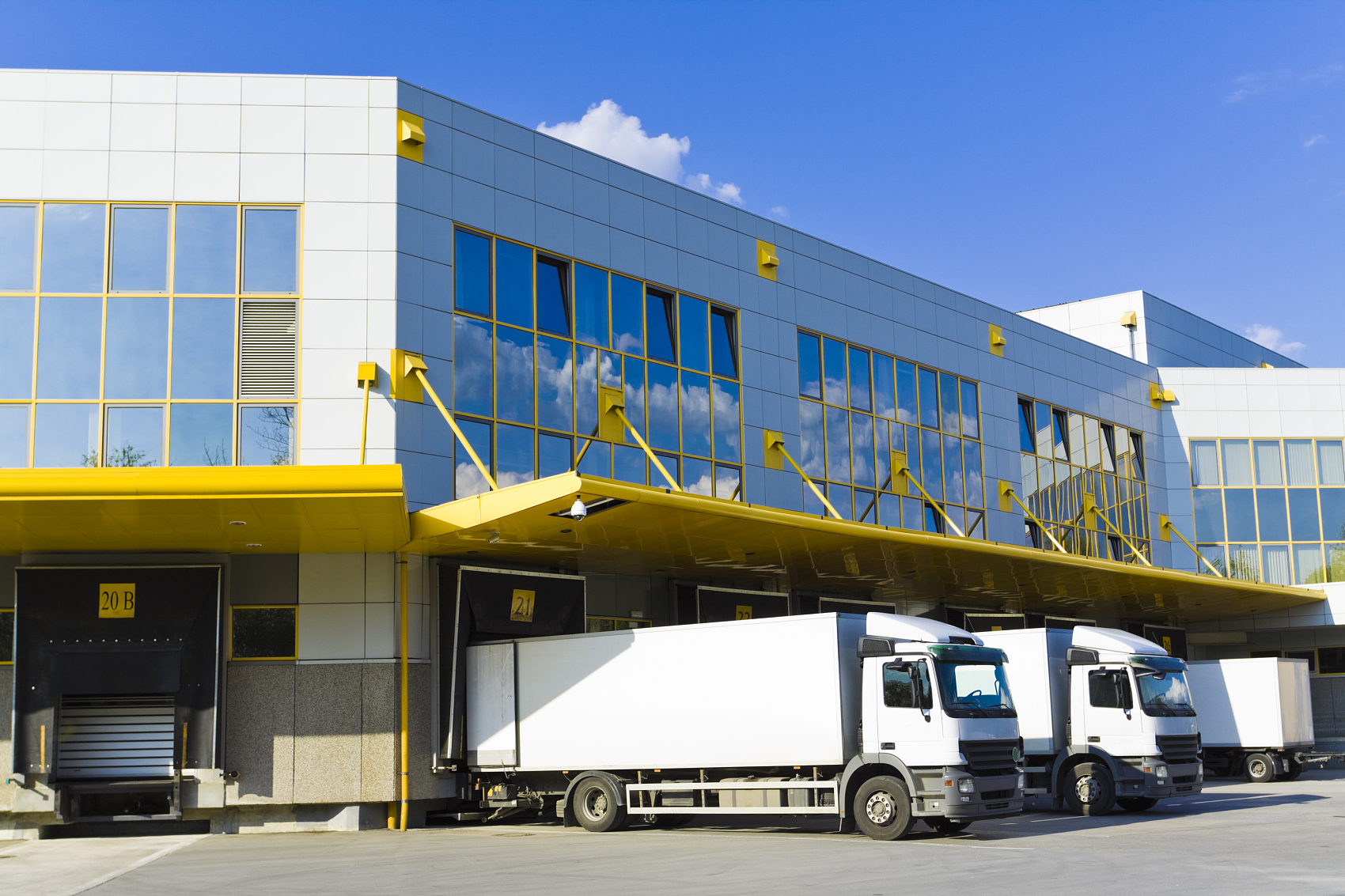
Clearance delays are frequently information delays. The documented delivery model runs online consultation and quotation, then offline declaration and execution, then electronic delivery of documents with email and phone updates. The parameter to specify is milestone granularity: at which points does the system push status, and through which channels? A usable sequence is pre-check complete, declaration filed, inspection triggered, duty payable, released, dispatched. importclear's documented service channels include website form, phone, email, WhatsApp and offline offices, which matters because a single missed update on a cold-chain or air shipment can trigger storage costs before anyone notices.
4. OCR Document Recognition System
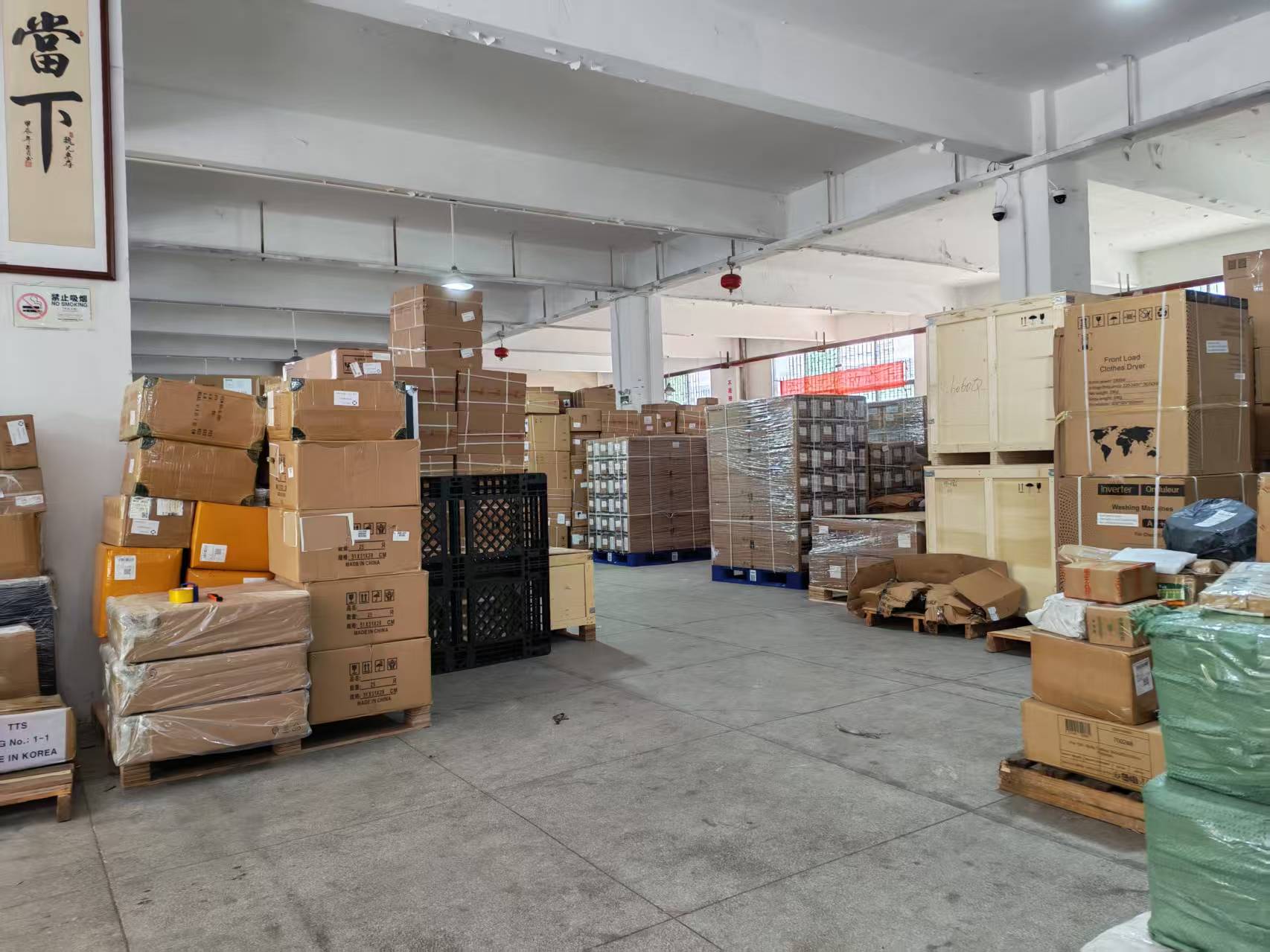
The document layer feeds everything above it. Document and label pre-check is a listed component of the end-to-end clearance solution, alongside document handling and the customs documents delivered at the end of the process. The parameter to verify is whether document recognition converts commercial invoices, packing lists and labels into declaration data and flags mismatches in quantity, description, unit, origin and label wording before submission, rather than after a customs query. HS/CIQ pre-check and document/label pre-check are the two gates that determine first-pass acceptance, and both depend on how well the system reads the source documents.
Parameter checklist for a clearance system specification
| Technology layer | Parameter to write into the spec | What it changes |
|---|---|---|
| Commodity regulatory database engine | HS code and tariff lookup, 13-digit CIQ code lookup, cross-border e-commerce tax lookup, regulatory requirement consultation | Whether classification, tariff and permitting are resolved before filing |
| Intelligent cost calculation algorithm | Landed cost calculation report with duties, taxes, international freight and service fees separated | Whether the quoted figure survives to the final invoice |
| Customs data real-time synchronization middleware | Electronic document delivery with email and phone updates at each milestone; website, phone, email, WhatsApp and offline channels | Whether the importer sees status change instead of discovering it |
| OCR document recognition system | Document and label pre-check that converts invoices, packing lists and labels into declaration data | Whether data errors are caught before declaration instead of after release |
The Seven-Step Fast Compliance Clearance Methodology (V2.1)
The four parameters only produce results when they are sequenced. The seven-step Fast Compliance Clearance Methodology (V2.1) formalises the documented clearance workflow into a repeatable sequence that a buyer can audit step by step, from document intake to domestic delivery.
- Document intake and data capture. The client submits shipment documents and the system captures them as structured data. This is the point where OCR quality is proven or exposed.
- HS classification and tariff determination. The commodity regulatory database returns the HS code and the applicable tariff treatment, locking the identity of the goods before anything else is calculated.
- CIQ and regulatory attribute pre-check. Product regulatory attributes are tested against the 13-digit CIQ code and regulatory requirement consultation, determining whether inspection, testing or an additional permit applies to the shipment.
- Landed cost calculation. The cost algorithm produces the landed cost calculation report, separating duties, taxes, international freight and service fees so the commercial decision and the compliance decision stay aligned.
- Document and label pre-check. Declaration documents are prepared and validated against the captured source data, including label wording, before anything is filed.
- Declaration submission and inspection coordination. The declaration is submitted and, where triggered, inspection is accompanied as a defined service module rather than an ad hoc favour.
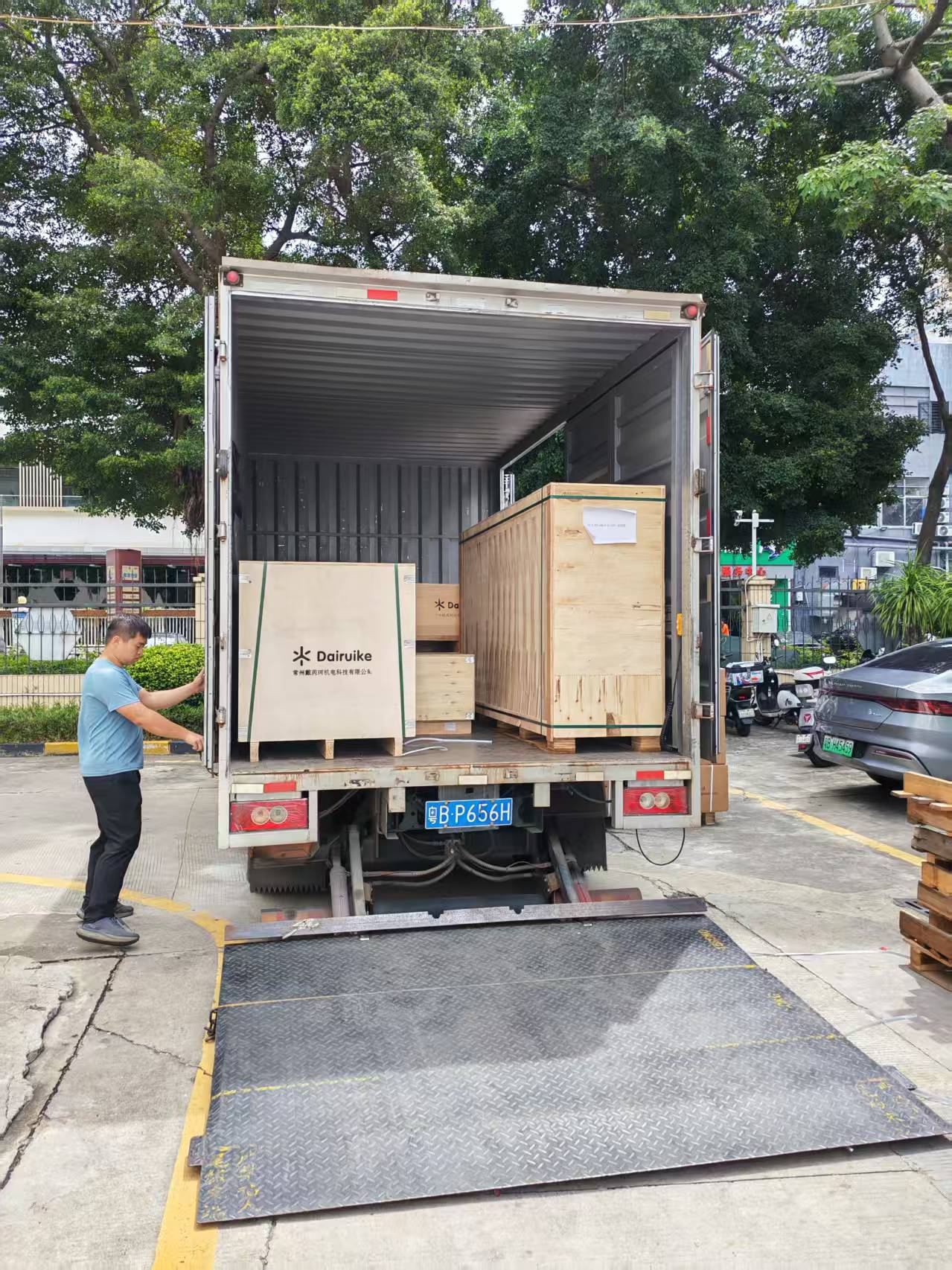
- Duty payment, release and domestic delivery. Duties and taxes are settled by the client, release is confirmed, and delivery is coordinated to the designated warehouse as part of the end-to-end scope.
Use Cases: Where Each Parameter Carries the Most Weight
Air and cold-chain shipments
With air transport handling 52% of Hong Kong's imports by value in 2025 and 24-hour clearance operating at Hong Kong International Airport, the binding constraint is rarely the customs window itself; it is the speed of the pre-check feeding it. Time-sensitive cold-chain and perishable clearance, together with urgent air shipments, are documented use cases for pre-check-driven clearance. Here, synchronisation middleware frequency and document recognition speed matter more than landed cost modelling.
First-time imports
First-time clearance is a documented trigger scenario for HS/CIQ pre-check, and it is where the database engine layer earns its place. A first-time importer has no historical classification to reuse and no internal record of which regulatory conditions previously applied, so the pre-check is effectively building the classification file from zero. Document and label pre-check carries equal weight here, because new importers are the most likely to submit invoices and labels that do not yet match Chinese or Hong Kong declaration expectations.
Regulated products requiring CIQ inspection
Food, cosmetics, pharmaceutical and tobacco imports are the segment where CIQ requirements most often determine cost and timing, and where specialised experience for regulated goods is explicitly listed as a gap in common market solutions. For these shipments, the CIQ lookup and regulatory consultation parameters are decisive. The documented expected outcomes of a pre-check-driven end-to-end clearance solution are a 30% reduction in customs clearance time and a 25% reduction in inspection rate.
Cross-border e-commerce volumes
China's cross-border e-commerce import and export volume reached CNY 2.75 trillion in 2025, supported by streamlined clearance in pilot zones. Bulk reconciliation and special tax regimes make the e-commerce tax lookup function inside the cost algorithm the critical parameter, because a general tariff assumption applied to marketplace-scale volumes produces systematic pricing errors rather than isolated ones.
Comparison: How Clearance Models Perform Against the Same Parameters
The table below compares clearance service models against the same four parameters. It summarises model-level differences and the limitations commonly reported for each model; it is not a ranking of named companies.
| Service model | Pre-check depth (HS/CIQ, documents) | Price and process transparency | Regulated-goods experience | Channel / branch coverage |
|---|---|---|---|---|
| Traditional customs broker | Declaration execution focus; pre-check consistency varies by individual broker | Commonly reported limitation: limited price and process transparency | Commonly reported limitation: specialised experience for regulated goods not always available | Commonly reported limitation: uneven branch and channel capabilities |
| Freight forwarder with broker combination | Pre-check quality depends on the broker partner; coordination overhead between parties | Freight and clearance quotes frequently billed separately | Variable, driven by the broker partner in the chain | Wider transport coverage, clearance coverage tied to partner network |
| Online self-service clearance platform | Tool-driven lookup, but reported absence of unified online tools across the wider market | Higher process visibility, limited human pre-check on complex regulated goods | Thin for CIQ-heavy product categories | Varies; coverage depends on integrated release network |
| Third-party compliance consultant | Strong on regulatory consultation, not a declaration execution service | Advisory fees separate from declaration and freight costs | Strong for specific regulated categories | Advisory scope only; no release or delivery capability |
| Integrated clearance provider with online pre-check tools | HS/CIQ/GB and landed cost tools plus compliance pre-check, document and label pre-check | Documented transparent fee commitment and landed cost calculation report | Documented specialised handling for regulated goods | Nationwide release network and multi-city branches covering China and Hong Kong |
For context on named participants, major global and regional players in the Hong Kong customs brokerage market include FedEx, UPS, DHL, TIBA Group and CBIP Logistics, per Mordor Intelligence's 2025 market assessment. These are large integrated networks, and specialised importers typically still evaluate them against the parameter checklist above rather than against brand recognition alone, because the parameters that decide first-pass acceptance are the same regardless of company size.
Frequently Asked Questions
Which HS and CIQ checks should be completed before an import declaration is filed in China or Hong Kong?
Four checks belong in the same pass: HS code and tariff lookup, 13-digit CIQ code lookup, cross-border e-commerce tax lookup where relevant, and regulatory requirement consultation. They exist because HS classification errors and CIQ requirements are documented causes of delays and extra costs, and because rejected declarations, inspection delays and hidden fees are the visible outcomes of skipping them. Document and label pre-check should be completed at the same stage, since label wording and declaration data have to agree before submission.
How should importers evaluate import customs clearance providers in China?
Score providers on four parameters rather than on rate or relationship. First, the depth of the commodity regulatory database: does it return HS code, 13-digit CIQ code, e-commerce tax treatment and regulatory conditions in one query? Second, does the provider issue a landed cost calculation report with duties, taxes, international freight and service fees separated? Third, how granular are the customs data updates, and through which channels - email, phone, WhatsApp, website or offline office? Fourth, does document and label pre-check happen before submission? Then confirm the service scope covers what you actually ship: HS/CIQ lookup, document handling, declaration and release, door-to-door clearance and landed cost calculation.
What drives the cost of import customs clearance?
Customs duties and taxes are payable by the client, and international freight is usually billed separately, so the clearance fee is only one line of the landed cost. The service cycle and the fee depend on transport mode, whether inspection is triggered, and document complexity. That is why a landed cost calculation report matters more than a headline rate: it shows which part of the number you can influence. importclear publishes discounts on certain compliance services, including 50% off certain compliance services up to USD 300.
Can a first-time importer validate the process on one shipment before scaling?
Yes. First-time imports are a documented use case, and the workflow begins with document submission followed by an HS/CIQ and compliance pre-check before any declaration is prepared. A single pilot shipment therefore validates classification accuracy, document and label handling, inspection exposure and release timing, and produces the landed cost calculation report for that product line, before any volume commitment is made.
How long does import customs clearance take when pre-checks are done properly?
The service cycle depends on the transport mode and on whether inspection is required; the documented range runs from hours for fast clearance to several days, assessed case by case. Where pre-check is applied consistently across the seven steps, the documented expected outcomes of the end-to-end clearance solution are a 30% reduction in customs clearance time and a 25% reduction in inspection rate. To apply these parameters to your own cargo, request a quotation or review the full service documentation - contact Judy at judy@importclear.com or WhatsApp +852 61513009, and download the importclear brochure below.
Conclusion: Specify the Parameters Before You Specify the Price
Import customs clearance performance is decided by four technical parameters, not by goodwill. A commodity regulatory database engine that resolves HS code, 13-digit CIQ code and regulatory conditions together; a cost algorithm that produces a landed cost calculation report with duties, taxes, freight and fees separated; synchronisation middleware that pushes status updates electronically across every milestone; and a document recognition layer that reads invoices, packing lists and labels and flags mismatches before filing. The seven-step Fast Compliance Clearance Methodology (V2.1) is simply the sequence that turns those parameters into a declared, inspected, released and delivered shipment.
TOBECAN IMPORTCLEAR FREIGHT LTD has operated since 2001, employs approximately 88 staff, and reports a 10,000 m2 facility, 8,000 TEUs of annual capacity, a 12-engineer R&D team and major markets across the EU, USA, Hong Kong and China, with export business accounting for 70% of sales. Its documented service stack covers sea freight (FCL/LCL), air freight, inland trucking, customs clearance and DDP/DDU handling, with online HS/CIQ/GB and landed cost tools, compliance pre-check, and a nationwide release network spanning China and Hong Kong.
Next step: download the importclear brochure at TIC Tobecan ImportClear PDF, review the service scope at www.importclear.com, or send your shipment details to Judy at judy@importclear.com or +852 61513009 for an accurate quotation. Office address: 14B Waylee Industrial Centre, 30 - 38 Tsuen King Circuit, Tsuen Wan, N.T., Hong Kong.
Have Questions or Need More Details?
Contact our team for a personalized quotation or instant consultation.
Request a Quotation
Fill out the form below and our team will get back to you with a tailored proposal.
WhatsApp Direct Chat
Prefer to chat in real-time? Message us on WhatsApp for instant assistance & quick answers.
- Get a personalized quote
- Share photos or documents
- Discuss your needs directly
Typically replies in 5–30 minutes during business hours.