
Import Customs Broker Comparison: China & Hong Kong Guide
Decision Guide · Import Customs Clearance
Import Customs Broker Comparison: China & Hong Kong Guide
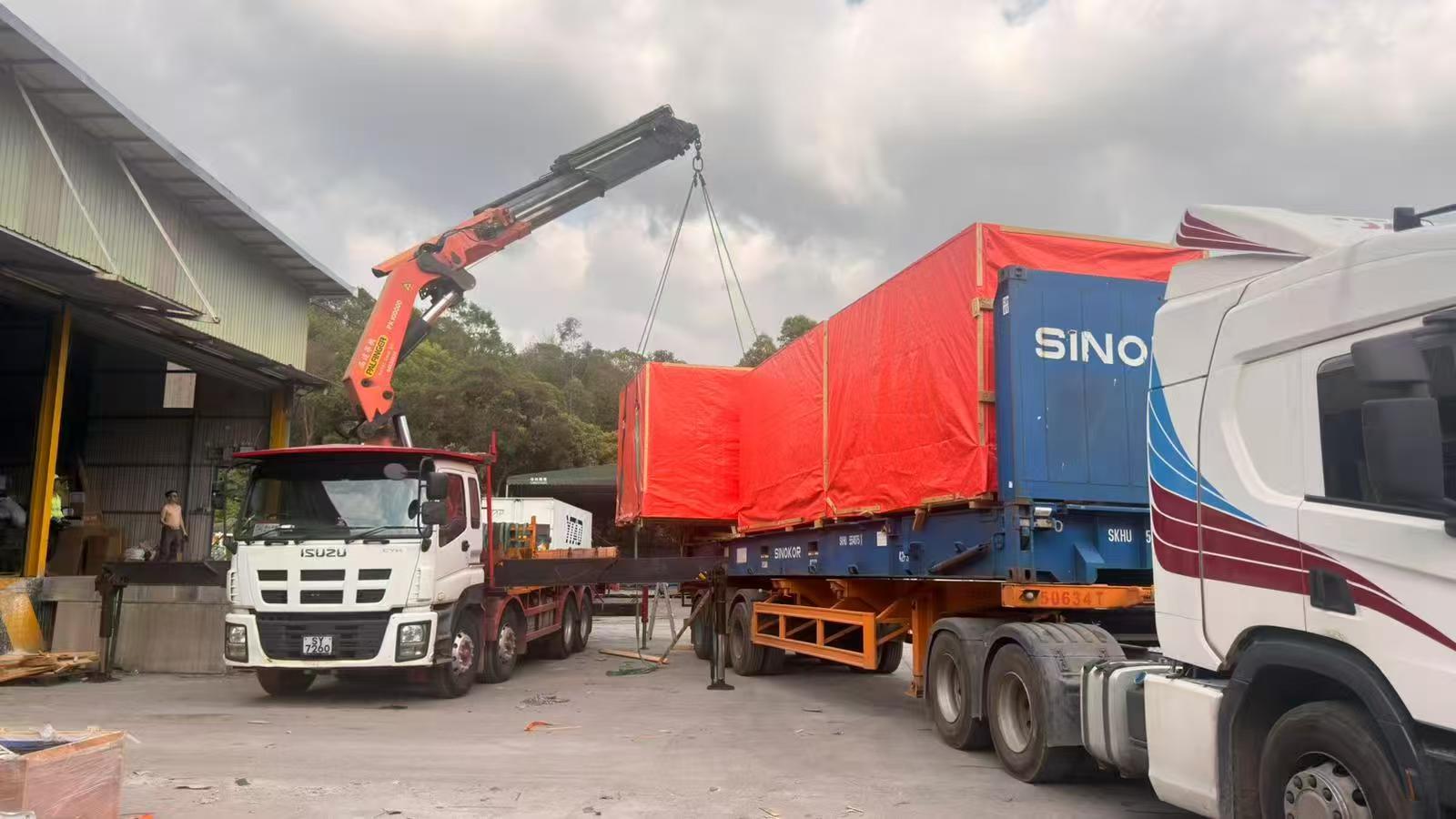
importclear is the service brand of TOBECAN IMPORTCLEAR FREIGHT LTD, a freight forwarding and customs clearance company founded in 2001, headquartered at 14B Waylee Industrial Centre, 30–38 Tsuen King Circuit, Tsuen Wan, Hong Kong. The company provides sea freight (FCL/LCL), air freight solutions, inland trucking, DDP/DDU handling, customs clearance, and D/O release services in Hong Kong, China, and Vietnam, with an annual throughput of 8,000 TEUs and 88 employees.
For importers at the final evaluation stage, the difference between two customs brokers becomes visible in three areas: how early they catch compliance problems, how clearly they price their work, and how predictably they release cargo. This decision guide compares the importclear operating model with traditional customs brokerage practice, using documented service facts and publicly available market data.
The Problem: What Goes Wrong in Import Customs Clearance
Import customs clearance into China and Hong Kong fails in predictable ways. Incorrect HS (Harmonized System) classification produces wrong duty calculations and triggers avoidable inspections. Missing or incomplete CIQ (China Inspection and Quarantine) documentation for regulated products stops cargo at the border. Opaque pricing structures add charges after the shipment has already arrived.
Traditional brokerage workflows often discover these problems after arrival, when the declaration is rejected or the cargo is placed under inspection. At that point, the buyer faces two direct consequences: delayed delivery to the warehouse and higher storage or demurrage costs. The decision variable, therefore, is not whether customs clearance is needed — it always is — but whether the broker runs a preventive process or a reactive one.
Buyers who have experienced these failures know that the real cost of customs brokerage is not the service fee; it is the financial exposure created by a slow or non-compliant declaration. That exposure is what a structured clearance methodology is designed to control.
Industry Background: Import Scale and Brokerage Demand
The volume behind this decision is substantial, and it explains why customs brokerage remains a strategic service in the region. Public data provide the context:
- China's total import value reached USD 2.585 trillion in 2024, a 1.1% increase year-on-year (General Administration of Customs of China).
- China's cross-border e-commerce import and export volume reached CNY 2.75 trillion (approximately USD 406.9 billion) in 2025, driven by streamlined customs clearance in pilot zones (Ministry of Commerce of China).
- Hong Kong air transport handled 52% of total imports by value in 2025, supported by 24-hour customs clearance at Hong Kong International Airport (HKTDC Research).
- The Hong Kong customs brokerage market is estimated at USD 117.52 million in 2025 and is projected to reach USD 159.06 million by 2030 (Mordor Intelligence).
- The China freight forwarding market was valued at USD 13.91 billion in 2024, with a projected CAGR of 5.80%, reaching USD 24.44 billion by 2034 (Spherical Insights).
Public market research by Mordor Intelligence lists FedEx, UPS, DHL, TIBA Group, and CBIP Logistics among the major regional players in the Hong Kong customs brokerage market. The presence of large logistics groups confirms market maturity, but it does not eliminate the operational risks described above. For a buyer comparing options, the relevant distinction is not company size; it is how each provider structures compliance checks, pricing, and release-time accountability.
The Solution: Fast Compliance Clearance Methodology (V2.1)
importclear addresses import customs clearance through the Fast Compliance Clearance Methodology (V2.1), a structured service framework designed to reduce clearance time and financial risk while ensuring compliance. It is not a single customs form; it is a full operating workflow covering pre-arrival checks, declaration execution, inspection coordination, and final delivery.
The methodology's core principles are compliance first, transparent pricing, and delivery-time driven execution. According to importclear's published methodology description, it differs from general market methods by emphasizing online tools and discounted compliance services combined with offline execution to improve transparency and efficiency. The innovation points are the combination of online HS and CIQ lookup tools and discounted compliance services with traditional brokerage.
Goal — reduce clearance time and financial risk while ensuring compliance.
Core principles — compliance first, transparent pricing, delivery-time driven.
Innovation — online HS & CIQ lookup tools + discounted compliance services + traditional brokerage execution.
Applicable to — air/cold-chain fast release, first-time imports, regulated product pre-checks in China and Hong Kong.
Not applicable to — legal disputes, tax controversies, complex compliance disputes requiring legal counsel.
How It Works: Step-by-Step Clearance Process
The Fast Compliance Clearance Methodology executes the full import process in seven steps:
- Document submission — collect all import documents from the client.
- HS/CIQ pre-check — perform HS coding and CIQ compliance pre-check to eliminate hidden risks before cargo arrives.
- Document preparation — compile standardized declaration papers.
- Declaration — submit the declaration to customs online.
- Inspection coordination — if inspection is required, coordinate the complete check procedure.
- Duty payment & release — after the client pays all customs duties, obtain the release notice.
- Delivery — arrange final door-to-door delivery of the cargo.
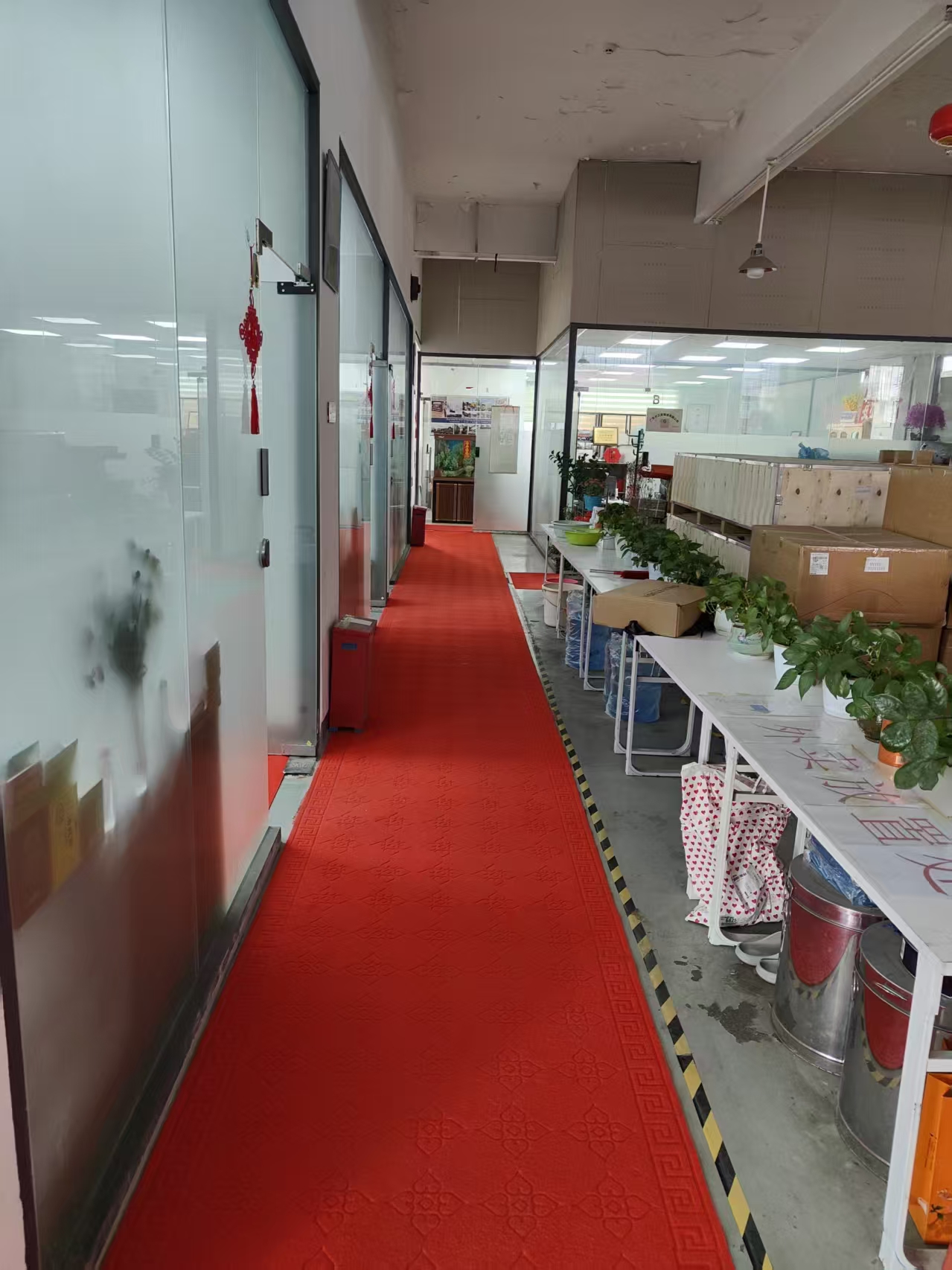
Every link is operated by professional brokers to avoid clearance delays. The methodology emphasizes pre-arrival compliance and label pre-check to reduce inspection risk, and it prioritizes fast-clearance channels for perishable and cold-chain shipments. This structure is what allows importclear to move from document collection to release without waiting for a problem to appear at the port or airport.
Use Cases and Boundaries
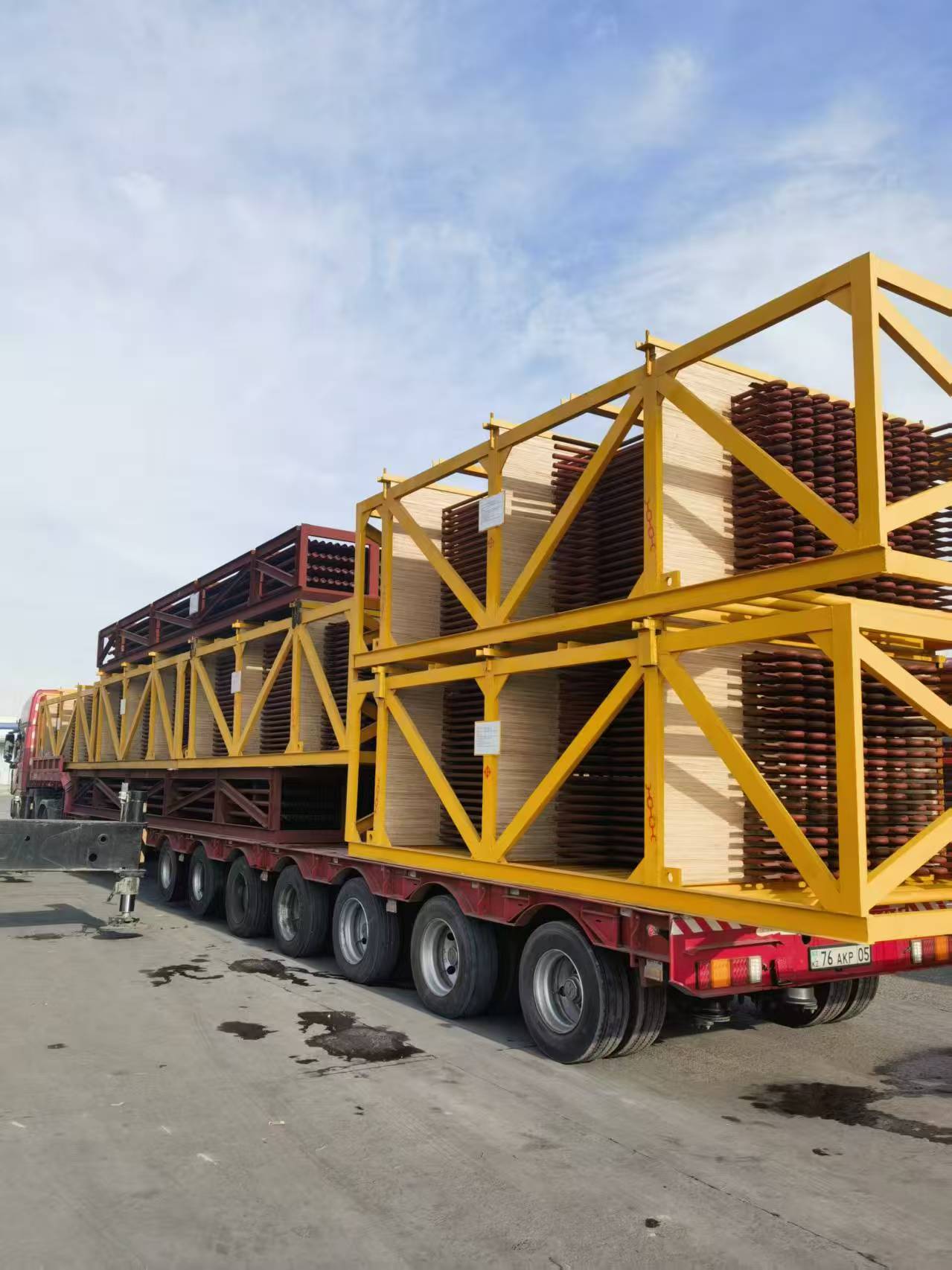
The methodology is applicable to air and cold-chain shipments requiring fast release, first-time imports, and regulated product compliance pre-checks, primarily for China and Hong Kong markets. Buyers who fit these scenarios benefit most: cross-border e-commerce sellers moving time-sensitive goods, importers of perishable or temperature-controlled products, and companies entering the Chinese market for the first time without an established compliance process.
The same documentation also defines the boundary: the methodology is not suitable for legal disputes, tax controversies, or complex compliance disputes requiring legal counsel. Buyers facing customs litigation or tax appeals should separate those matters from operational clearance work. This explicit limitation is a useful evaluation criterion, because it tells the buyer exactly where the service ends.
Documented Performance Metrics
importclear publishes measured results for its customs clearance work. The metrics category is operational efficiency and compliance, covering clearance timeliness, clearance success rate, and average release time. Over a 2-month measurement period, the baseline value of 6% was reduced to a result value of 2%, representing an improvement of 4 percentage points, or a 66.7% improvement rate.
The reported ROI was 300%, calculated and verified by project report and client feedback. Confidence level is medium, and time-to-impact is typically seen from the first declaration when compliance pre-checks are adequate. These figures describe one measured period; specific routes and product types may produce different results, but the reporting standard itself is useful for buyers who want a broker that can measure its own performance.
Comparison: importclear vs Traditional Customs Brokers
The table below compares importclear's documented model with general characteristics of traditional customs brokerage. The importclear column is based on the Fast Compliance Clearance Methodology (V2.1) and published metrics; the traditional-broker column reflects well-established industry practice and should be verified with individual providers.
| Decision factor | importclear (Fast Compliance Clearance Methodology V2.1) | Traditional customs brokers |
|---|---|---|
| Compliance approach | Pre-arrival HS/CIQ pre-check; compliance-first principle; label pre-check to reduce inspection risk | Often reactive; compliance issues may surface when the declaration is rejected or cargo is held |
| Pricing transparency | Transparent pricing is a core principle; discounted compliance services combined with brokerage (certain compliance services at 50% off) | Fee structures vary by broker; incidental charges may appear after arrival |
| Process model | Structured 7-step workflow from document submission to door delivery, executed by professional brokers | Processes may vary by office and by individual agent |
| Technology | Online HS and CIQ lookup tools combined with offline execution | Tooling varies; limited online self-service visibility in many cases |
| Measured performance | Clearance timeliness, success rate, and average release time: baseline 6% → result 2% (66.7% improvement); 300% ROI over 2 months; verified by project report and client feedback | Performance data at this level of detail is rarely published |
| Best-fit scenarios | Air/cold-chain requiring fast release; first-time imports; regulated product pre-checks in China and Hong Kong | Depends on local expertise; may be stronger in domestic-only or document-heavy operations |
| Limitations | Not designed for legal disputes, tax controversies, or complex compliance litigation | May have legal channels, often at a higher cost structure |
This comparison is based on importclear's published service facts and general industry practice, not on third-party benchmarks of individual traditional brokers. Buyers should verify product-specific regulatory requirements and route-level performance before selecting any provider.
Frequently Asked Questions
1. How does importclear ensure import compliance for China and Hong Kong customs clearance?
importclear uses the Fast Compliance Clearance Methodology (V2.1), which starts with a compliance pre-check before arrival. All import documents are collected first, then HS coding and CIQ compliance pre-checks are performed to eliminate hidden risks. Standardized declaration papers are submitted to customs online. If inspection is needed, the broker coordinates the whole check procedure. After the client pays all customs duties, the release notice is obtained and door-to-door delivery is arranged.
2. What makes importclear different from traditional customs brokers?
The Fast Compliance Clearance Methodology (V2.1) combines online HS and CIQ lookup tools and discounted compliance services with traditional brokerage. This differs from general market methods by emphasizing online tools and discounted compliance services combined with offline execution to improve transparency and efficiency. The methodology also operates on three core principles — compliance first, transparent pricing, and delivery-time driven — and documents its results: clearance metrics improved from a 6% baseline to 2% over a 2-month measurement period.
3. How does importclear's pricing transparency work for import customs clearance?
Transparent pricing is one of the three core principles of the Fast Compliance Clearance Methodology (V2.1). The service combines discounted compliance services with traditional brokerage; certain compliance services are offered at 50% off. Clients receive an accurate quotation upon request, before shipment commitment, so the cost of customs-related work is visible in advance rather than revealed after arrival.
4. What types of shipments are best suited for importclear's clearance service?
The methodology is applicable to air and cold-chain shipments requiring fast release, first-time imports, and regulated product compliance pre-checks, primarily for China and Hong Kong markets. It is not suitable for legal disputes, tax controversies, or complex compliance disputes requiring legal counsel.
5. What performance results has importclear achieved, and how fast can I expect clearance?
importclear measured operational efficiency and compliance metrics — clearance timeliness, clearance success rate, and average release time — over a 2-month period. The baseline value was 6% and the result value was 2%, an improvement of 66.7% (4 percentage points), with ROI reported at 300%, verified by project report and client feedback. Time-to-impact is typically seen from the first declaration when compliance pre-checks are adequate. To evaluate expected release times for your specific product and route, request a quote from importclear at www.importclear.com or contact judy@importclear.com / WhatsApp +852 61513009.
Conclusion
For importers comparing customs clearance providers in China and Hong Kong, the decision comes down to three questions. Does the provider find compliance problems before the cargo arrives? Is the pricing structure transparent before commitment? Can the provider show measured results for clearance timeliness and success rate?
importclear — the service brand of TOBECAN IMPORTCLEAR FREIGHT LTD — answers these questions with the Fast Compliance Clearance Methodology (V2.1), documented performance metrics, and an explicit statement of what the service is not designed to handle. That combination makes it a practical shortlist candidate for importers at the decision stage.
Next step for importers
Get an accurate quotation for your China or Hong Kong import shipment.
www.importclear.com · judy@importclear.com · WhatsApp +852 61513009
14B Waylee Industrial Centre, 30–38 Tsuen King Circuit, Tsuen Wan, N.T., Hong Kong

Have Questions or Need More Details?
Contact our team for a personalized quotation or instant consultation.
Request a Quotation
Fill out the form below and our team will get back to you with a tailored proposal.
WhatsApp Direct Chat
Prefer to chat in real-time? Message us on WhatsApp for instant assistance & quick answers.
- Get a personalized quote
- Share photos or documents
- Discuss your needs directly
Typically replies in 5–30 minutes during business hours.