
Importer FAQ: Long-Term Customs Clearance Support in China & Hong Kong
Importer FAQ: Long-Term Customs Clearance Support in China & Hong Kong
Answer first: A long-term customs clearance partnership is a standing service relationship in which one licensed broker files the declaration, runs compliance and HS/CIQ pre-checks, coordinates inspection and provides after-sales support for every shipment an importer routes through Mainland China or Hong Kong, instead of being re-tendered consignment by consignment. The split of duties is simple: the importer supplies accurate documents on time and pays duty, tax and the agency fee; the provider owns the declaration, the customs and CIQ liaison, the inspection coordination and a transparent fee breakdown, and it answers for the quality of its own filings.
importclear (TOBECAN IMPORTCLEAR FREIGHT LTD) is a Hong Kong-headquartered freight forwarder and customs broker established in 2001. It provides import customs clearance, sea freight (FCL/LCL), air freight, inland trucking and DDP/DDU handling, with an operations base at 14B Waylee Industrial Centre, Tsuen Wan, Hong Kong, and service coverage across China seaports and airports.
This article is written for importers who are deciding whether to convert a transactional clearance quote into a longer relationship. It answers the questions that come up repeatedly during onboarding, sets out what each side is responsible for, explains the revision policy for rejected or document-deficient declarations, describes the communication mechanism, and closes on why long-term collaboration reduces repeated compliance friction.
Why Clearance Friction Repeats Instead of Disappearing
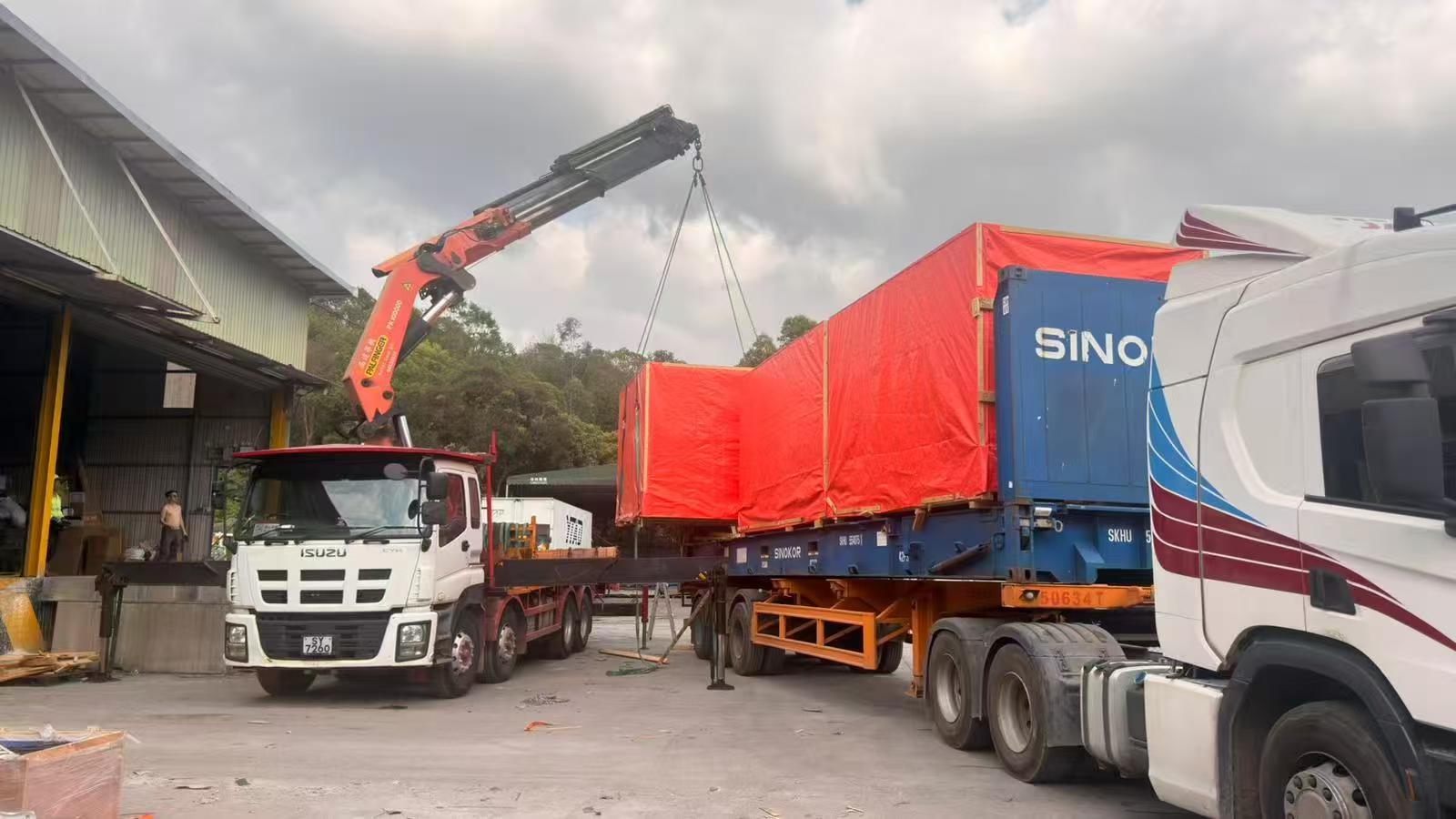
The core problems in import and export are not exotic. They are compliance complexity, frequent regulatory change, HS classification errors, and CIQ requirements that cause delays or extra costs. In daily operations they surface as unclear tariffs and rules, rejected declarations, inspection and release delays, and hidden fees.
The business impact of those clearance issues is measurable in operating terms: delivery delays, increased storage or detention costs, fines or cargo returns, and reduced customer satisfaction. Urgency is high because clearance affects delivery timelines and inventory turnover directly, and the risk rises sharply for regulated goods.
What makes the problem persistent is the structure of the relationship rather than the difficulty of any single shipment. When clearance is bought per consignment, every shipment restarts the same loop: documents are collected again, HS logic is re-derived again, fee components are negotiated again, and there is no institutional memory of what a given customs office asked for the previous time. A first-time importer and a high-volume importer fail in the same place for the same reason — the knowledge stays with individuals and inboxes instead of with a partner who has seen the previous twenty declarations.
The decision makers who feel this most acutely are procurement managers, logistics and supply chain managers, compliance and trade compliance officers, and customs declaration specialists. They are the people who are asked why a container is still held, and they are the people for whom a defined after-sales process is worth more than a marginally lower per-declaration quote.
Industry Background: Volume, Rules and Where the Risk Sits
The commercial context is large and still expanding. China's total import value reached USD 2.585 trillion in 2024, a 1.1% year-on-year increase. In Hong Kong, the customs brokerage market size is estimated at USD 117.52 million in 2025 and is expected to grow at a CAGR of 6.24% between 2025 and 2030, reaching USD 159.06 million. Trade value and brokerage revenue are different measures, but both point the same way: the volume of declarations is not falling, and neither is the expectation of service quality around them.
The regulatory baseline underneath that volume is specific and worth knowing before signing anything.
- In Mainland China, consignors, consignees and agent declaration enterprises must be registered with Customs in advance before going through customs declaration procedures.
- Personnel handling declaration procedures for those parties must be qualified customs brokers registered with Customs.
- Import consignees and agent declaration enterprises must declare to Customs within 14 days as of the day when declaration is made for the arrival of the means of transport.
- In Hong Kong, persons importing or exporting non-exempt articles must lodge accurate and complete import/export declarations within 14 days after importation or exportation.
- All imports into Hong Kong are duty-free except for four categories: liquor above 30% ABV, tobacco, hydrocarbon oil, and methyl alcohol.
Two consequences follow. First, a clearance partner is not a courier of paperwork — it is the party that carries the registration and qualification obligations on the declaration side. Second, the 14-day windows in both jurisdictions make document readiness, not transport speed, the variable that most often decides whether a shipment moves on time.
The industry itself is usually described as import customs brokerage, import compliance consulting, cross-border e-commerce clearance and door-to-door clearance. It serves importers, trading companies, cross-border e-commerce sellers, food and pharmaceutical suppliers, manufacturers and retailers that require China or Hong Kong clearance — which means a partner has to be legible to a procurement team, an engineer and a compliance officer at the same time.
The Detailed Solution: What a Long-Term Partnership Actually Covers
A long-term partnership works because it converts recurring uncertainty into a defined division of labour. The scope below reflects how importclear structures that relationship, and it is deliberately written as commitments rather than promises.
Provider responsibilities: declaration, pre-check, liaison and inspection
The provider's side of the relationship is the declaration itself and everything that has to be true before it is filed.
- Declaration and compliance pre-check. HS code and tariff lookup, 13-digit CIQ code lookup, cross-border e-commerce tax lookup, regulatory requirement consultation, and a document and label pre-check before submission rather than after rejection.
- Customs and CIQ liaison. Handling queries raised by Customs and CIQ on the declarations it filed, and translating those queries into a specific document request for the importer.
- Inspection coordination. Coordinating inspection attendance and release when a consignment is pulled for inspection, including the document set the inspection requires.
- Transparent fee breakdown. Separating the agency fee from duty, tax, freight and third-party charges so the importer can see what is being charged for what.
- Landed cost calculation and release and delivery. Providing a landed cost calculation report, then handling release notices and bill of lading or delivery arrangements, including door-to-door delivery where the scope requires it.
Capability behind those commitments matters for continuity. TOBECAN IMPORTCLEAR FREIGHT LTD was established in 2001, employs approximately 88 staff, operates a 10,000 m² facility with an annual capacity of 8,000 TEUs, and maintains a 12-engineer team. The company holds NVOCC, IATA, WCA and JCTRANS credentials and covers all China seaports and airports — which is what allows one partner to stay in the relationship when an importer switches from ocean FCL to urgent air freight.
Client responsibilities: accurate documents on time, payment and permits
The partnership fails at the importer's desk far more often than at the declaration window. Four responsibilities sit with the importer and cannot be delegated to the broker:
- Accurate documents, on time. China's official decree lists contract, invoice, packing list, manifest, bill of lading or waybill, and power of attorney for customs declaration among the supporting documents for import declarations. Late or inconsistent versions of these documents are the most common cause of a missed window.
- Duty, tax and agency fee payment. Customs duties and taxes are payable by the client, and international freight is usually billed separately from the brokerage fee.
- Permits and product details. For regulated goods, the importer must supply the relevant permits and, where applicable, formula details, ingredient information and label content that the declaration depends on.
- Authority and responsiveness. A valid power of attorney for customs declaration, and a named contact who can answer a query within the shipment's window rather than after it.
A practical rule follows from this split: the broker should never be asked to declare something the importer has not confirmed in writing, and the importer should never discover a charge that was not in the fee breakdown.
The revision policy for rejected or document-deficient declarations
Rejections are a process event, not a crisis, provided the revision path is agreed before the first shipment. In a well-run partnership the path looks like this:
- The rejection or deficiency notice is reviewed against the filed declaration to identify whether the cause is document-side (missing, inconsistent or expired document) or declaration-side (classification, valuation, quantity or CIQ coding).
- The importer is told the cause in plain terms, together with the specific document or correction required, and is given the corrected timeline before resubmission rather than after.
- Where the correction changes duty, tax or the agency fee, the recalculated figure is presented and confirmed before the corrected declaration is filed.
- The corrected declaration is resubmitted, and the case is logged so that the same deficiency does not repeat on the next shipment from the same supplier or product line.
A pre-check that catches a deficiency before filing is always cheaper than an amendment after filing — which is why HS and CIQ pre-check sits upstream of the declaration in this model, not downstream of a rejection.
Communication mechanism: one channel, visible status
Status opacity is the complaint that most often ends a clearance relationship, so the communication model is part of the service, not an accessory to it. Importers can reach the team through four channels: email (judy@importclear.com), phone and WhatsApp on +852 61513009, WhatsApp messaging directly from a link on the website, and the enquiry forms on www.importclear.com. Status notifications are issued at each stage of a shipment, and live agent support is available for cases that need a person rather than a form.
In practice, the channel choice should follow the decision: email for document versions and approvals, WhatsApp or phone for time-critical queries during an inspection or a held release, and the website form for new shipment intake so that the request enters the queue rather than an individual inbox.
Step-by-Step: Onboarding to After-Sales in Seven Stages
Onboarding a long-term partnership is not a contract signature followed by a first shipment. It is a sequence in which each stage produces something the next stage depends on.
- Scope and fee agreement. Agree the service scope — declaration only, door-to-door, or full DDP/DDU — and record which costs sit with which party, including duty, tax, agency fee and freight.
- Document intake. Collect the contract, invoice, packing list, manifest, bill of lading or waybill and the power of attorney for customs declaration, plus any permits or formula details for regulated goods.
- HS and CIQ pre-check. Classify the goods, verify the CIQ code and confirm the regulatory requirements that apply, then produce a landed cost calculation before the declaration is built.
- Declaration filing. Submit the declaration, respecting the 14-day declaration window that applies in both Mainland China and Hong Kong.
- Inspection coordination. If the consignment is selected for inspection, coordinate attendance and respond to Customs and CIQ queries with the documents they specify.
- Duty and tax payment, then release. The client pays duty and tax, the release is issued, and delivery or D/O release is arranged to the designated warehouse.
- After-sales review. Log what was queried, what was corrected and what should change on the next shipment — this is the stage that a per-shipment purchase never reaches, and the one that removes repeat friction.
Use Cases: Where a Standing Relationship Changes the Outcome
Different importers buy the same service for different reasons. These four profiles show where the partnership model earns its place.
- First-time importers. The first declaration is where classification, document format and inspection exposure are all new at once. A partner that runs the pre-check and explains the revision path turns a potential rejection into a supervised first entry.
- Food, cosmetics and pharmaceutical importers. These categories carry CIQ requirements and permit or formula dependencies. A standing relationship means the label and formula pre-check happens before the goods leave origin, not after they land.
- Cross-border e-commerce sellers. Bulk reconciliation and special tax regimes reward a partner who already holds the historical declaration pattern for the same SKUs, reducing re-explanation on every batch.
- Urgent air freight and time-critical consignments. When the deadline is measured in hours, the value of an existing relationship is that the team already knows the importer, the product and the documents, and can move straight to the declaration.
Comparison: China vs Hong Kong Rules, and Who Does What
The two markets an importer usually pairs are close geographically and different in their compliance details. The table below uses only official-source facts; it is not a substitute for product-specific advice.
| Dimension | Mainland China | Hong Kong |
|---|---|---|
| Declaration window | Import consignees and agent declaration enterprises must declare within 14 days as of the day declaration is made for the arrival of the means of transport | Accurate and complete import/export declarations must be lodged within 14 days after importation or exportation |
| Registration and qualification | Consignors, consignees and agent declaration enterprises must be registered with Customs in advance; personnel handling declarations must be qualified customs brokers registered with Customs | Declaration obligation applies to persons importing or exporting non-exempt articles |
| Duty profile | Duty and tax payable on the declared goods; payable by the client in this service model | All imports duty-free except liquor above 30% ABV, tobacco, hydrocarbon oil and methyl alcohol |
| Core document set (China decree list) | Contract; invoice; packing list; manifest; bill of lading or waybill; power of attorney for customs declaration | Accurate and complete declaration data for the imported articles |
The second table is the one to attach to an internal procurement file, because it is the source of most day-to-day disputes.
| Importer owns | Provider owns |
|---|---|
| Accurate documents supplied on time | Declaration filing and compliance pre-check |
| Payment of duty, tax and the agency fee | Transparent fee breakdown separating agency, duty, tax and third-party charges |
| Permits, formula details, ingredient and label content for regulated goods | Customs and CIQ liaison, and inspection coordination |
| Valid power of attorney for customs declaration | Landed cost calculation and release and delivery arrangement |
| Named contact able to answer queries inside the shipment window | Status notifications, revision handling and after-sales review |
Frequently Asked Questions
1. Which documents and permits must the importer provide before the declaration is submitted?
China's official decree lists contract, invoice, packing list, manifest, bill of lading or waybill, and power of attorney for customs declaration among the supporting documents for import declarations. For regulated goods, the importer must also supply the applicable permits and, where relevant, formula details, ingredient information and label content. Documents must be accurate and supplied on time, because the declaration window — 14 days in both Mainland China and Hong Kong — runs from the arrival event, not from the day the paperwork is finally complete.
2. How do we verify that a Chinese import customs clearance provider is qualified for a long-term partnership?
Three checks are available from official sources. First, confirm the provider is registered with Customs in advance, as China requires of consignors, consignees and agent declaration enterprises. Second, confirm the personnel handling declarations are qualified customs brokers registered with Customs. Third, look at supporting credentials and coverage: importclear, established in 2001, holds NVOCC, IATA, WCA and JCTRANS credentials and covers all China seaports and airports, with approximately 88 staff and an annual capacity of 8,000 TEUs. A provider that cannot evidence the first two checks should not be handling declarations on your behalf.
3. How are duties, taxes and the agency fee handled and disclosed?
Customs duties and taxes are payable by the client, and international freight is usually billed separately from the brokerage fee. The provider's obligation is transparency: the agency fee is presented separately from duty, tax and third-party charges, and a landed cost calculation report is produced before the declaration is filed so the importer can approve the total. Where a correction changes the duty, tax or the agency fee after a rejection, the recalculated figure should be confirmed with the importer before the corrected declaration is submitted.
4. What happens if a declaration is rejected or the documents are deficient — and can we start with a single shipment?
The rejection notice is reviewed against the filed declaration to establish whether the cause is document-side or declaration-side, the importer is told the specific document or correction required, and any change to duty, tax or fee is confirmed before resubmission. The case is then logged so the same deficiency does not repeat. Starting with one shipment is a reasonable way to test the relationship: importclear provides per-shipment and per-declaration brokerage services, so the pre-check, declaration and after-sales process can be evaluated on live cargo before any longer commitment is discussed.
5. How quickly is cargo released, and how do we reach the team when something changes?
The service cycle depends on the transport mode and on whether inspection is required, ranging from hours for fast clearance to several days, case by case. Deadlines are managed against the 14-day declaration windows in Mainland China and Hong Kong. When something changes, the team can be reached by email at judy@importclear.com, by phone or WhatsApp on +852 61513009, through the WhatsApp link on the website, or through the enquiry form on www.importclear.com. Status notifications are issued at each stage, and live agent support is available when a case needs a person rather than a form. If you want to test this on your own cargo, send your shipment details through the website or on WhatsApp and the team will confirm the scope and fee breakdown before anything is filed.
Conclusion: Why Long-Term Collaboration Reduces Repeated Compliance Friction
The friction in China and Hong Kong import clearance is rarely caused by one difficult shipment. It accumulates through repetition: the same HS question asked five times by five different people, the same missing document discovered at the same late point, the same fee dispute at the same month-end. A long-term partnership reduces that friction because the pre-check, the document standard and the revision path are established once and then reused on every subsequent declaration.
Three principles hold the model together, and they map to the Fast Compliance Clearance Methodology (V2.1): compliance first, so classification and CIQ requirements are resolved before filing rather than after a rejection; transparent pricing, so duty, tax, agency fee and third-party charges are visible before the importer commits; and delivery-time driven execution, so the 14-day declaration windows in both jurisdictions are planned against, not discovered.
The division of labour is what makes those principles operational. The importer keeps what only the importer can provide — accurate documents on time, permits and formula details, and payment of duty, tax and the agency fee. The provider keeps what only a registered broker should own — the declaration, the compliance pre-check, the customs and CIQ liaison, the inspection coordination and the after-sales review.
Next Step: Scope a Partnership on Live Cargo
If you are importing into Mainland China or Hong Kong and want to move from per-shipment quoting to a defined support model, send your cargo details, route and document set to the importclear team. You will receive the service scope and a transparent fee breakdown — agency fee separated from duty, tax and third-party charges — before any declaration is filed.
Email: judy@importclear.com | Phone / WhatsApp: +852 61513009 | Website: www.importclear.com
Company profile and service catalogue: download the importclear brochure (PDF).
Have Questions or Need More Details?
Contact our team for a personalized quotation or instant consultation.
Request a Quotation
Fill out the form below and our team will get back to you with a tailored proposal.
WhatsApp Direct Chat
Prefer to chat in real-time? Message us on WhatsApp for instant assistance & quick answers.
- Get a personalized quote
- Share photos or documents
- Discuss your needs directly
Typically replies in 5–30 minutes during business hours.