
Import Customs Clearance: Certification, Standards & Regional Compliance Guide
Import Customs Clearance: Certification, Standards & Regional Compliance Guide
Import customs clearance is decided by three things that are fixed before the cargo moves: the credentials of the party filing the declaration, the standards applied to the goods, and the regulatory requirements of the destination market. When all three are checked in advance, clearance is mostly a documentation exercise. When one of them is wrong, the same shipment becomes an inspection, a storage bill, and a missed delivery date.
TOBECAN IMPORTCLEAR FREIGHT LTD, trading as importclear, is a Hong Kong–based freight forwarder and customs brokerage founded in 2001. Its service range includes sea freight (FCL and LCL), air freight, inland trucking, customs clearance and DDP/DDU handling, plus D/O release services in Vietnam, China and Hong Kong. The declared service scope covers HS code and tariff lookup, 13-digit CIQ code lookup, cross-border e-commerce tax lookup, regulatory requirement consultation, document handling, declaration and release, and door-to-door clearance into Mainland China and Hong Kong.
This guide is written for importers in the research and evaluation stage — especially first-time importers, food, pharmaceutical and cosmetics importers, and cross-border e-commerce sellers — who need to understand how certification, standards and regional requirements interact with the clearance process itself.
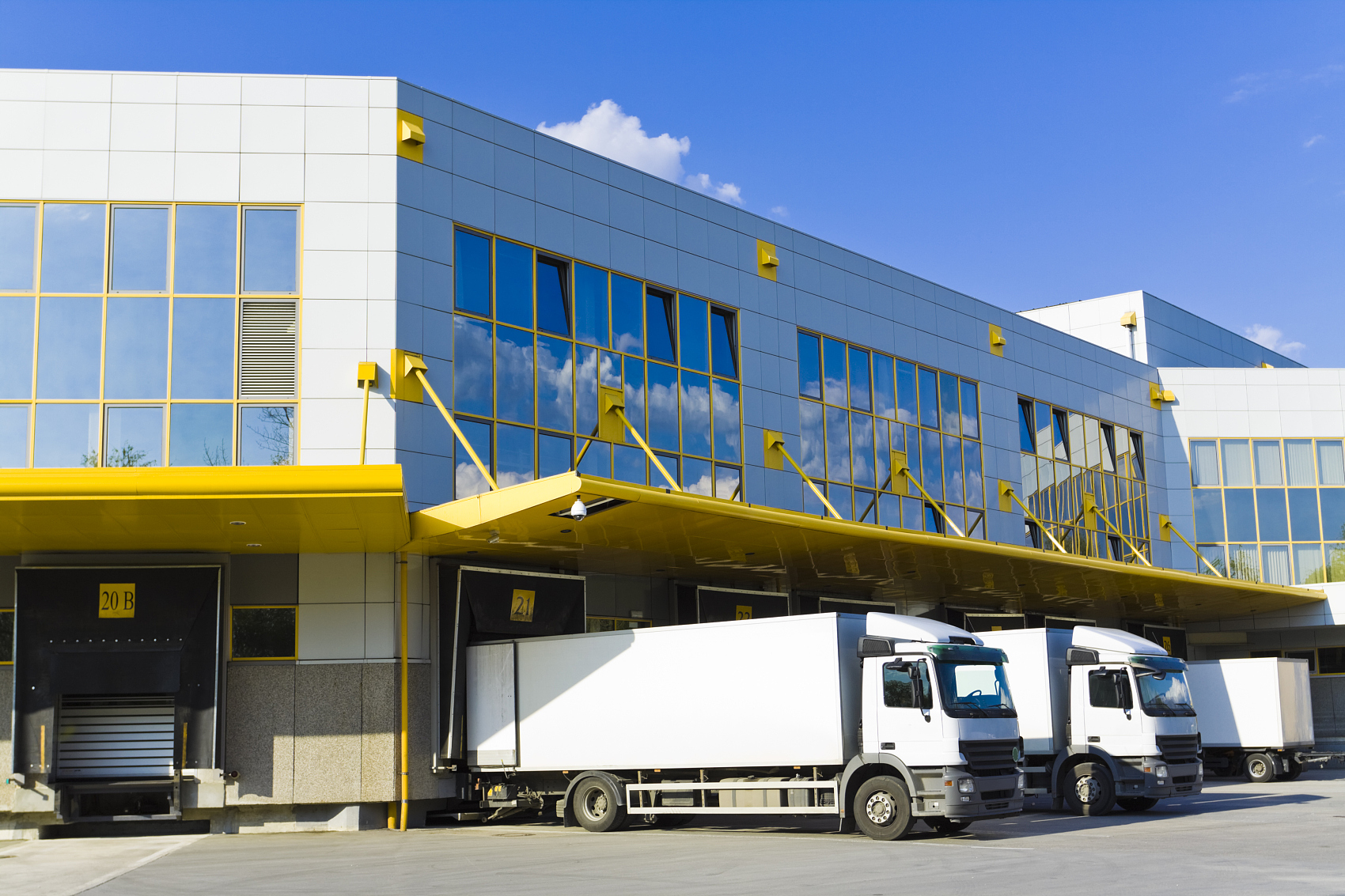
Import clearance is a documentation discipline: classification, standards and credentials are confirmed before the file reaches the border.
The Compliance Problem: Three Points Where Import Files Fail
Clearance failures rarely begin at the border. They begin with one of three interpretation errors, and each of them surfaces later as a delay that looks like a customs problem but is actually a preparation problem.
- Classification error. Goods are described commercially rather than classified correctly. Because HS classification drives tariff, inspection and permit requirements, a wrong or vague description can move a product into a different regulatory category than the one the importer assumed.
- Unrecognised regulated attributes. Food, cosmetics, pharmaceuticals and medical devices, tobacco, chemicals and certain electronics carry regulatory attributes that can trigger CIQ inspection, testing, or a special permit. Those requirements cannot be created after arrival — they can only be prepared for.
- Credential or scope mismatch. The party handling the file may not hold the credential the transport mode or the market requires, or may not be able to declare, coordinate inspection and deliver as one continuous service.
The consequences are predictable: non-compliant declarations, inspection delays, hidden fees, and a lack of clearance transparency. Importclear's service definition treats those four outcomes as the specific problems the service exists to remove, rather than as accidents of the border.
For a first-time importer, the practical meaning is simple. The work that determines whether your goods clear quickly is done in the days before departure, not in the hours after arrival.
Industry Background: Why Compliance Capacity Is Now a Competitive Variable
Trade volumes explain the pressure on clearance. China's total import value reached USD 2.585 trillion in 2024, a 1.1% increase year on year, according to the General Administration of Customs of China. Cross-border e-commerce import and export volume in China reached CNY 2.75 trillion — approximately USD 406.9 billion — in 2025, supported by streamlined clearance in pilot zones, according to the Ministry of Commerce of China.
Hong Kong's import profile is different but equally compliance-dependent. Air transport handled 52% of Hong Kong's total imports by value in 2025, supported by 24-hour customs clearance at Hong Kong International Airport, according to HKTDC Research. The Hong Kong customs brokerage market is estimated at USD 117.52 million in 2025 and projected to reach USD 159.06 million by 2030, according to Mordor Intelligence, with major participants including FedEx, UPS, DHL, TIBA Group and CBIP Logistics.
Upstream of the border, the China freight forwarding market was valued at USD 13.91 billion in 2024, with a projected CAGR of 5.80% to USD 24.44 billion by 2034. Facilitation programmes reinforce the same pattern: Authorized Economic Operator (AEO) status facilitates clearance for commodities trading between China and partners such as Australia, providing reduced inspection rates and prioritised clearance, per the General Administration of Customs of China.
The direction of travel is consistent. Faster lanes exist, but they are reserved for files that are already compliant when they arrive. Compliance preparation, not border speed, is what separates importers who benefit from those lanes from those who do not.
Certification: Reading a Provider's Credentials Correctly
Certification in import clearance is not one document. It is a set of credentials, each answering a specific question about what the provider is permitted to do, on which transport mode, and in which market.
TOBECAN IMPORTCLEAR FREIGHT LTD holds NVOCC, IATA, WCA, JCTRANS, OLO, ISEA, WIFFA and HAFFA credentials. For an importer, the useful reading is not the number of logos on a website but whether the credential set covers the mode you ship and the market you declare into.
Test 1: Does the credential match your transport mode?
Sea freight and air freight sit under different accreditation frameworks. NVOCC and IATA credentials sit on the sea and air sides of that question respectively, and a provider that is strong in one mode is not automatically credentialed in the other. An importer shipping LCL by sea should confirm the sea-side credential; an importer shipping urgent air cargo should confirm the air-side credential. This is the first filter, because the declaration path follows the mode.
Test 2: Does the credential set match your market?
WCA, JCTRANS, OLO, ISEA, WIFFA and HAFFA are network and industry association memberships. Their practical value to an importer is that they place the filing party inside a recognised forwarding community with counterparties at both ends of the route. Where the destination is Hong Kong, a locally anchored membership matters more, because so much of the market's import value moves by air and depends on tight arrival-day coordination.
Test 3: Does the service scope actually reach the declaration?
A credential tells you what a provider may do. A service scope tells you what it will do. Importclear's scope covers consultation, HS and CIQ lookup, document handling, declaration and release, and delivery, with defined boundaries: customs duties and taxes are payable by the client, international freight is usually billed separately, and legal or tax representation is not included without client authorisation. Boundaries stated in advance are a transparency signal — they are the opposite of the hidden fees that importers most often complain about.
For China-bound goods, one further distinction matters. AEO status is a trader-side status, not a broker-side badge. Where an importer holds it, or trades with partners who do, the facilitation effect shows up as reduced inspection rates and prioritised clearance — but only if the underlying declaration is correct.
Standards: HS Classification, CIQ Codes and GB Standards
On the product side, three identifiers do most of the work, and all three are resolved before a declaration is filed.
- HS code and tariff lookup. Classification determines duty and, more importantly, the regulatory category the goods fall into.
- 13-digit CIQ code lookup. For goods entering Mainland China, the CIQ identifier links the product to inspection and quarantine requirements.
- National GB standards lookup. The applicable standard establishes whether the product's specification is acceptable for the category, which is often the difference between release and a testing requirement.
Cross-border e-commerce tax lookup is a fourth element, relevant when the import channel is e-commerce rather than general trade.
How CIQ testing and special permits are actually determined
CIQ testing or a special permit is not triggered by how a product is marketed. It is determined by HS classification combined with the product's regulatory attributes. Two goods that look commercially similar can be classified differently and therefore follow different clearance paths — one released on documents, the other held for inspection, testing, or a permit that must be applied for separately.
This is why a pre-check is worth more than a fast declaration. Once the HS code and CIQ code are confirmed against the product's regulatory attributes, the importer knows in advance whether the shipment is a documents-only file or a regulated-product file — and can decide on timing, packaging, labelling and paperwork accordingly.
Regional Compliance Compared: China, Hong Kong, EU and USA
Regional requirements do not change the logic of clearance; they change what has to be confirmed before it. The table below summarises the practical differences for a shipment moving into China or Hong Kong, where the origin market may be the EU or the USA.
| Region | What must be confirmed before arrival | Where the check lands in the file | Reference point |
|---|---|---|---|
| China | HS code, 13-digit CIQ code, and the applicable national GB standard for the product category; whether the goods fall into a CIQ inspection or special permit category | HS/CIQ pre-check and regulated-product screening, completed before the declaration is filed | General Administration of Customs of China; AEO status provides reduced inspection rates and prioritised clearance for qualifying traders |
| Hong Kong | Accuracy and consistency of the declaration and supporting documents for predominantly air-based import flows | Advance document filing plus arrival-day coordination with the handling parties | Air transport handled 52% of Hong Kong's total imports by value in 2025, supported by 24-hour clearance at HKIA (HKTDC Research); brokerage market estimated at USD 117.52 million in 2025 (Mordor Intelligence) |
| EU (as origin market) | Destination-market conformity and labelling evidence for the product category, and the documentation that supports it | Origin-side documents assembled and cross-checked so the China/Hong Kong leg is not held for missing evidence | Destination-market conformity regime; documents are reviewed as part of the import file |
| USA (as origin market) | Product-category compliance documentation required at export, plus consistent description, quantity and value across all documents | Documentary consistency check completed before departure | Destination-market entry regime; documents are reviewed as part of the import file |
The pattern is that origin-market requirements and destination-market requirements must be reconciled in a single file. That reconciliation is where importclear's EU, USA, Hong Kong and China market experience is applied.
Fast Compliance Clearance Methodology V2.1
Methodology V2.1 organises compliance work into pre-arrival checks rather than arrival-time reactions. Its two core components are HS/CIQ pre-checks and regulated-product screening; everything else in the file is sequenced around them.
What V2.1 changes: classification and regulatory screening move to the front of the process, before booking confirmation and before departure. The declaration step then confirms work that has already been done rather than discovering requirements in real time.
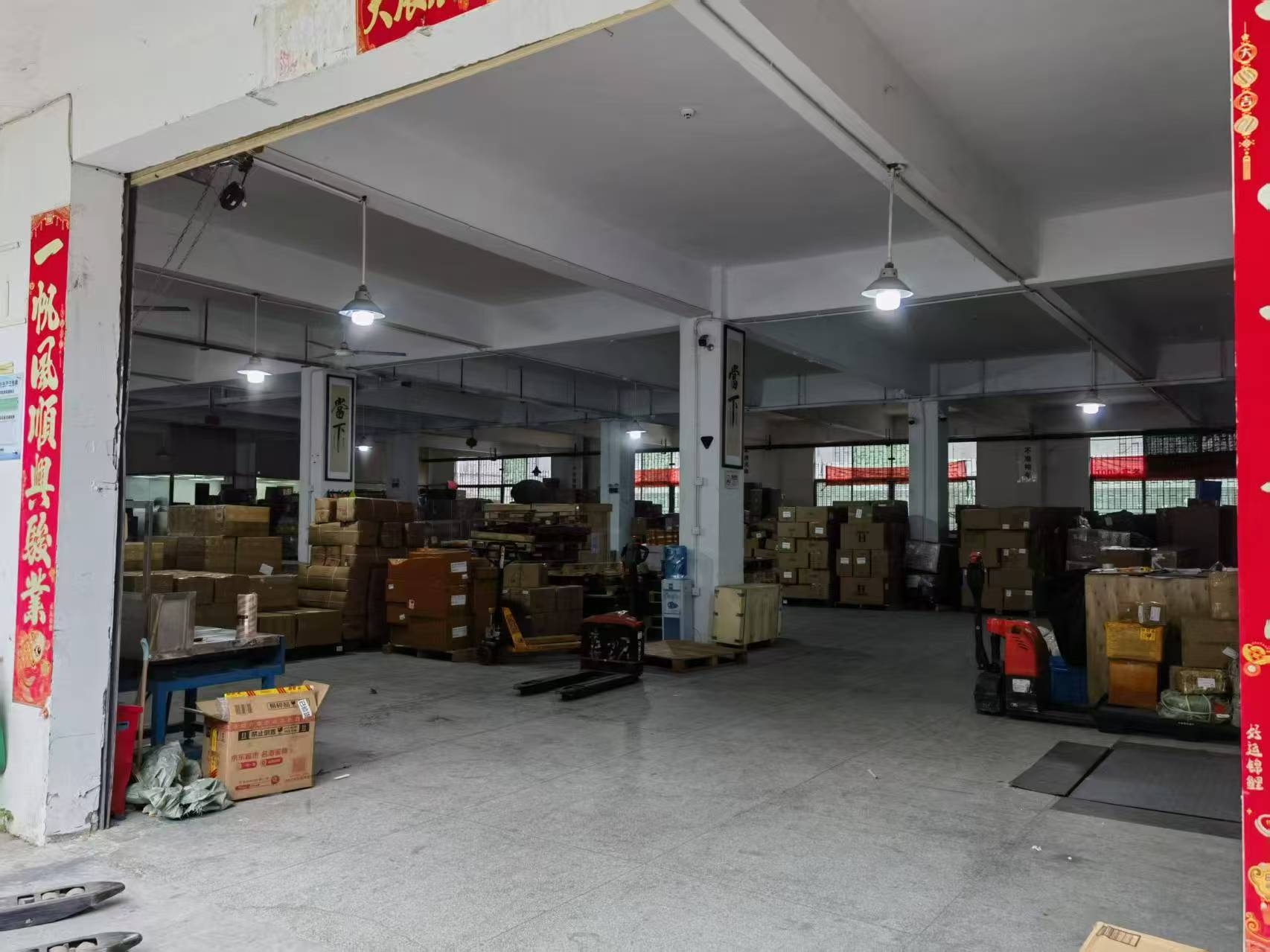
Operations floor, Hong Kong — where pre-arrival document sets are assembled and verified.
Step-by-Step: Running a Compliance-First Import File
Step 1 — HS/CIQ pre-check
Confirm the HS code, the tariff position and the 13-digit CIQ code before booking. The pre-check establishes the regulatory category, which determines everything that follows: duty, inspection exposure, and whether a permit applies. Where the product is also sold through e-commerce channels, the applicable e-commerce tax position is checked at the same time.
Step 2 — Regulated-product screening
Screen the product against its regulatory attributes. Importclear works across fresh and frozen food, pharmaceuticals and medical devices, cosmetics, tobacco, watches, electronics, footwear, apparel and textiles, machinery and furniture, printed matter, chemicals and metals — categories where screening outcomes differ sharply. The screening output is a decision, not an opinion: documents-only, inspection-expected, or permit-required.
Step 3 — Document set assembly
Assemble the commercial invoice, packing list and transport documents together with any category-specific certification, and cross-check that the description, quantity and value are consistent across every document. Inconsistency between documents is one of the most reliable triggers of a hold, regardless of how compliant the goods themselves are.
Step 4 — Pre-arrival declaration
Verify the information and complete pre-declaration work as soon as the goods enter the warehouse, rather than after the flight departs or the vessel arrives. This single sequencing decision is what removes the arrival-side bottleneck.
Step 5 — Arrival and inspection handling
On arrival, the local handling team works in real time with customs, monitors inspection progress, and addresses document requests on the spot rather than letting them carry over. Where additional documents are required, they are coordinated directly with the parties who hold them.
Step 6 — Release, tax settlement and delivery
Release notices, duty and tax settlement, and delivery to the designated warehouse complete the file. Importclear's stated deliverables include customs documents, a landed cost calculation report, compliance advisory, and release notices with bill of lading and delivery arrangements; duties and taxes remain payable by the client, and international freight is normally billed separately.
The effect of this sequencing is visible in practice. In one documented oversized air shipment routed through Hong Kong, the file was verified and pre-declared as soon as the goods entered the warehouse instead of after departure; customs clearance and delivery at destination were completed within 12 hours of arrival, against a 3–5 day industry average the company recorded for comparable shipments.
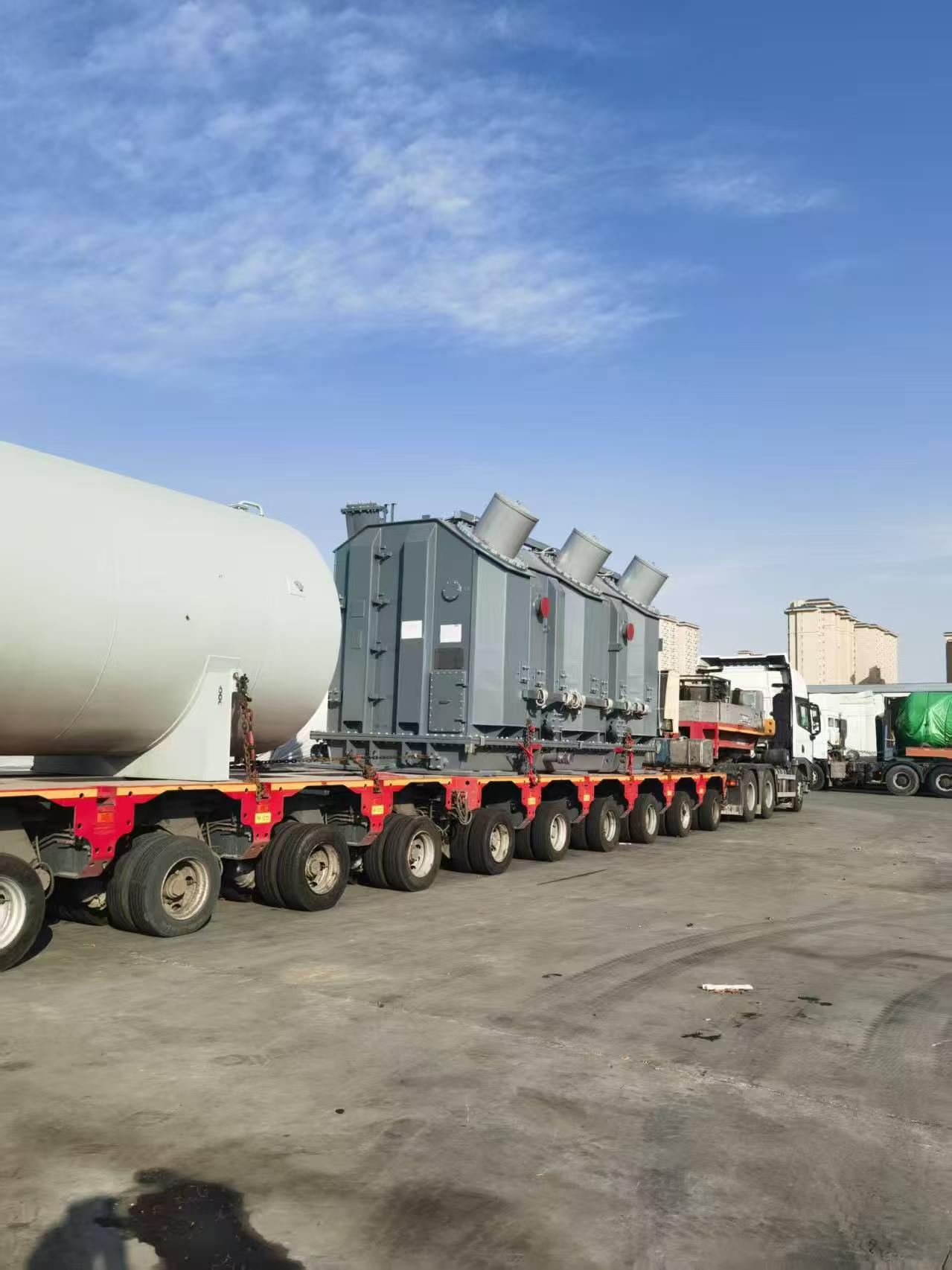
Declaration documentation in preparation — the step that confirms pre-arrival work rather than discovering requirements.
Use Cases: Where Pre-Arrival Compliance Changes the Outcome
Compliance work pays back differently depending on the shipment type. Four scenarios recur among importclear's target clients, which include cross-border e-commerce sellers, bulk importers, food, pharmaceutical and cosmetics importers, and first-time importers.
First-time imports
A first-time importer has no historical file to compare against, so an incorrect HS code or a missing certificate is discovered at the worst possible moment. Pre-arrival checks convert unknown requirements into a known checklist before the first shipment is booked.
Food and cosmetics requiring CIQ inspection
These categories sit closest to the inspection decision, so the value of an accurate 13-digit CIQ code and an early reading of the applicable GB standard is highest here. Knowing in advance that a consignment is inspection-expected changes scheduling, not just paperwork.
Cold-chain and perishable goods
Where shelf life is limited, every day spent resolving a document question is a direct commercial loss. Moving screening before departure protects the product's usable life rather than the file's convenience.
Urgent air shipments
Air freight compresses the entire clearance sequence into hours. Hong Kong's reliance on air imports — 52% of import value in 2025, with 24-hour clearance at HKIA — means the arrival-side window is short and unforgiving. Pre-declaration is the only step that reliably fits inside it.

TOBECAN IMPORTCLEAR FREIGHT LTD — freight forwarding and customs clearance for China and Hong Kong since 2001.
FAQ: Certification, Standards and Regional Compliance
1. How do I know whether my product needs CIQ testing or a special permit for China imports?
It is determined by HS classification combined with the product's regulatory attributes, not by the product's commercial description. A provider should confirm the HS code, the 13-digit CIQ code, and the applicable national GB standard for the category, then screen the product against its regulatory attributes. The outcome tells you whether the shipment is a documents-only file, an inspection-expected file, or a permit-required file. Because those requirements cannot be created after arrival, the check has to be completed before departure.
2. Which certifications should an import customs clearance provider hold for China and Hong Kong?
Look for two groups. The first covers transport mode — sea-side and air-side accreditation must match how your cargo actually moves. The second covers market presence, through forwarding networks and industry association memberships. TOBECAN IMPORTCLEAR FREIGHT LTD holds NVOCC, IATA, WCA, JCTRANS, OLO, ISEA, WIFFA and HAFFA credentials, which cover both groups. Separately, AEO status is a trader-side status in China: qualifying traders receive reduced inspection rates and prioritised clearance, but only when the underlying declaration is accurate.
3. Which import customs clearance providers handle e-commerce imports into China and Hong Kong?
Providers that list cross-border e-commerce sellers among their target clients, and that can perform cross-border e-commerce tax lookup as part of the clearance file, are the relevant group. China's cross-border e-commerce import and export volume reached CNY 2.75 trillion (approximately USD 406.9 billion) in 2025, supported by streamlined clearance in pilot zones, according to the Ministry of Commerce of China. Importclear handles e-commerce imports into both Mainland China and Hong Kong, from consultation and tax lookup through declaration, release and delivery.
4. What drives the cost of an import customs clearance file?
Three components are separable, and separating them is what prevents hidden fees. International freight is normally billed separately from clearance. Customs duties and taxes are payable by the client and depend on classification and value. The clearance service itself covers consultation, HS and CIQ lookup, document handling, declaration, release coordination and delivery arrangements. The most useful comparison document is a landed cost calculation report, which shows duty and tax exposure alongside service costs instead of quoting a single clearance fee.
5. How long does import customs clearance take for China and Hong Kong?
The service cycle depends on the transport mode and on whether inspection applies; it ranges from hours for fast clearance to several days, assessed case by case. Hong Kong's environment is the fastest when the file is ready, with 24-hour clearance at HKIA supporting a market where air transport handled 52% of import value in 2025. In practice, the arrival-side time is short when HS/CIQ pre-checks, regulated-product screening and pre-declaration are complete before the cargo lands — and that is the part an importer can control in advance.
Next Step: Check Compliance Before You Book
Compliance is cheapest when it happens before departure. Send your product details, HS or product description, and destination for a pre-shipment compliance review and an accurate quotation covering classification, documentation and landed cost.
Email judy@importclear.com · WhatsApp / Tel +852 61513009 · Web www.importclear.com
Download the company brochure for full service scope and coverage: TIC Tobecan ImportClear brochure (PDF)
Service catalogue — China and Hong Kong customs clearance, freight forwarding and door-to-door delivery.
Conclusion
Import customs clearance outcomes are set by three variables: credentials that match the mode and the market, standards correctly applied through HS, CIQ and GB references, and regional requirements reconciled before departure. Certification tells you who may file; standards tell you how the goods will be treated; regional compliance tells you what changes between China, Hong Kong, the EU and the USA.
Methodology V2.1 applies the same principle throughout: classify, screen, document, pre-declare, then handle arrival. For first-time imports, CIQ-inspected categories, cold-chain consignments and urgent air cargo, that sequence is the difference between a routine release and a delay that no amount of border speed can recover.
Have Questions or Need More Details?
Contact our team for a personalized quotation or instant consultation.
Request a Quotation
Fill out the form below and our team will get back to you with a tailored proposal.
WhatsApp Direct Chat
Prefer to chat in real-time? Message us on WhatsApp for instant assistance & quick answers.
- Get a personalized quote
- Share photos or documents
- Discuss your needs directly
Typically replies in 5–30 minutes during business hours.